France Suspends Stun Grenades During Student Protests
France Suspends Stun Grenades During Student Protests
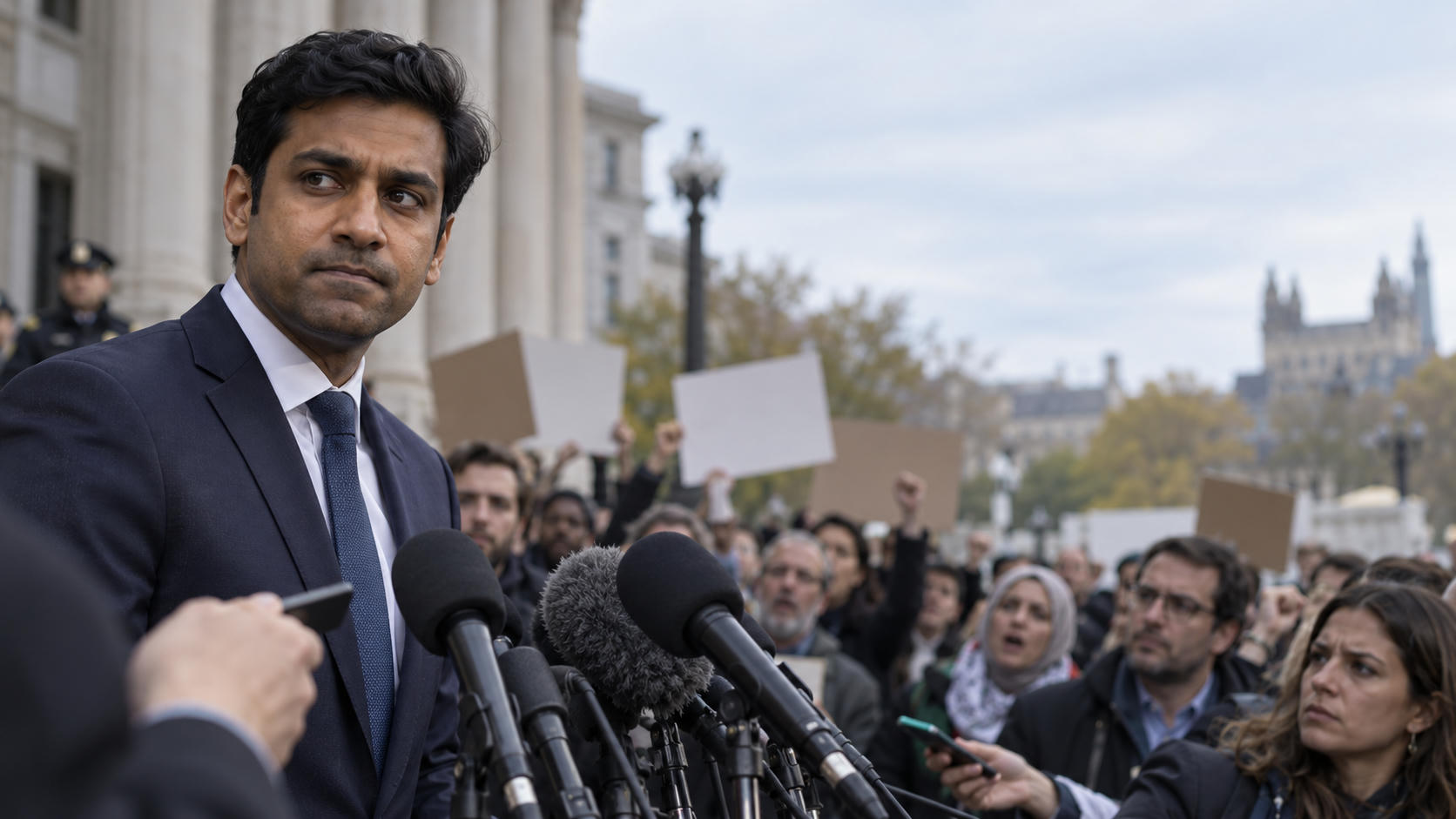
France has suspended police use of stun grenades during student protests after a demonstrator reportedly lost a hand in an incident involving the weapon. The decision has renewed scrutiny of French crowd-control tactics and prompted Amnesty International to call for a permanent ban on stun grenades used in protest policing.
Reports from Euronews, UPI, the Tacoma News Tribune and CGTN describe the measure as a suspension rather than a confirmed nationwide ban. Available reporting does not establish its exact duration, legal basis or scope. It also lacks verified details about the injury, including the device involved, the incident’s location and the police unit responsible.
What the Suspension Means
French police have paused the use of stun grenades during demonstrations involving students, according to multiple reports. The measure should not automatically be described as a permanent ban on every type of stun grenade in France.
A temporary operational suspension can serve as an immediate precaution while authorities investigate an injury or review procedures. It differs from a regulatory restriction, which limits when or how officers may deploy a weapon, and from a permanent legal ban, which removes the weapon from authorized operations.
The available reports do not identify the government order, its legal instrument or whether every French police unit is covered. Official guidance would need to clarify the duration, geographic scope, agencies affected and possible exceptions.
The safest description is that France suspended police use of stun grenades during student protests. The reports do not confirm a permanent prohibition of all stun grenades or every device that produces a flash, blast or disorienting effect.
The Reported Injury
The suspension followed an incident in which a student reportedly lost a hand. The reports identify the injury as the trigger for the policy response but do not provide enough information to establish legal responsibility.
A complete investigation would need to determine:
- Which device was used.
- Whether it functioned as designed.
- Where and from what distance it was deployed.
- Whether officers followed deployment rules.
- Whether warnings were issued.
- Whether an immediate threat justified the use of force.
- Whether medical assistance arrived promptly.
The reported injury is therefore evidence of a serious incident, not conclusive proof that a particular officer or unit acted unlawfully.
Risks of Stun Grenades
Stun grenades are crowd-control devices intended to disorient people through effects such as a loud blast and bright flash, depending on the model. They can cause serious injuries, particularly in dense or unpredictable crowds.
Potential harms include:
- Severe burns.
- Hearing damage.
- Eye injuries.
- Amputation or loss of fingers and limbs.
- Falls and impact injuries.
- Panic-driven movement.
- Trampling.
- Injuries to bystanders, journalists and medics.
Risks can increase near walls, vehicles, barriers or tightly packed groups. Sudden crowd movement can make escape routes difficult to identify and prevent medical teams from reaching injured people.
The available reports do not specify the model involved in the French incident. Technical claims about its force, design or intended range should therefore be treated cautiously until authorities release verified information.
Student Protests and Crowd Control
Student demonstrations may involve large groups near campuses, roads, public buildings and transport routes. Protesters, journalists, residents, police officers and emergency workers can occupy the same confined spaces.
Authorities must balance several responsibilities:
- Protecting peaceful assembly.
- Maintaining public safety.
- Preserving access to schools and public services.
- Protecting property.
- Responding to violence.
- Ensuring emergency access.
- Preventing unnecessary confrontation.
Not every protester is violent, and not every police intervention is unlawful. Sound analysis must distinguish peaceful demonstrators from people committing violence and assess each police action according to the circumstances.
Explosive or disorienting devices can create fear and confusion. Protesters may retreat unpredictably, collide with barriers or fall. Their use may also reduce trust in police warnings, intensify public anger and increase hostility at future demonstrations.
Amnesty International’s Call for a Permanent Ban
Amnesty International has called on France to permanently ban all stun grenades used in protest policing. Its position goes beyond the reported temporary suspension and focuses on the risk of severe, irreversible injury, the protection of peaceful assembly and government accountability.
A permanent ban would require a clear definition of the weapons covered and formal rules for removing them from police inventories, storing or disposing of existing stock, training officers in replacement tactics, reporting uses of force and investigating alleged violations.
Advocacy organizations’ statements are important to the public debate but do not replace an independent investigation into the specific injury.
| Temporary suspension | Permanent ban |
|---|---|
| Pauses use while officials investigate or review policy | Creates a lasting policy change |
| May apply to certain protests, devices or agencies | May cover a broader category of weapons |
| Can later be lifted or modified | Requires continuing enforcement |
| May be imposed operationally | May require legal, regulatory or legislative action |
Necessity, Proportionality and Accountability
Protest policing is generally assessed through legality, necessity, proportionality and accountability.
- Legality asks whether the action had a valid legal basis.
- Necessity asks whether force was needed to address a specific threat.
- Proportionality asks whether the level of force matched the threat.
- Accountability requires documentation, oversight and effective investigation.
The existence of an authorized weapon does not automatically justify its use. Officers must consider crowd density, location, available escape routes, the behavior of participants and risks to uninvolved people.
A credible review should ask:
- Were less harmful options available?
- Were clear warnings issued?
- Was the crowd assessed before deployment?
- Were officers trained to use the specific device?
- Was the weapon directed toward a safe area?
- Was deployment recorded?
- Did commanders monitor the consequences?
- Was medical access preserved?
Accountability should examine not only the officer who deployed the weapon but also commanders, training systems and equipment policies.
Possible Alternatives
No crowd-control method is risk-free. Authorities can nevertheless consider measures designed to reduce confrontation, including:
- Dialogue and liaison officers.
- Clearly communicated dispersal orders.
- Physical barriers.
- De-escalation teams.
- Medical coordination.
- Targeted arrests where legally justified.
- Better separation between peaceful demonstrators and violent actors.
- Advance communication with protest organizers.
Alternatives must also be lawful, effective and proportionate. Replacing one dangerous tactic with another would not resolve the underlying safety problem.
What Happens Next
Investigators should preserve and examine evidence such as police body-camera footage, demonstration videos, medical records, device fragments, deployment logs, radio communications, witness testimony and commanders’ orders.
A policy review could assess weapon design, use-of-force rules, officer training, warning requirements, deployment distances, crowd-density assessments, command authorization, emergency response procedures and protections for journalists and medical workers.
Several outcomes remain possible:
- The suspension becomes permanent.
- Authorities permit limited use under stricter conditions.
- France replaces stun grenades with other crowd-control tools.
- Courts or lawmakers impose broader restrictions.
- Authorities lift the suspension after a review.
The outcome will depend on official findings, political decisions, legal challenges and public pressure. The current reports do not establish which option authorities will choose.
Why the Decision Matters
Restrictions on high-risk weapons can influence public confidence in the right to demonstrate. People are more likely to exercise freedom of assembly when police tactics are predictable, necessary and subject to independent oversight.
Public order is a legitimate concern, but maintaining it should not expose peaceful protesters or bystanders to unacceptable risks. Safety standards should protect everyone at a demonstration, including journalists, medics, residents and people not involved in violence.
International coverage from Euronews, UPI, CGTN and the Tacoma News Tribune has increased scrutiny of France’s protest-policing standards. However, multiple reports may rely on the same underlying information and should not be treated as independent confirmation of every detail.
Other governments can draw several lessons:
- Review high-risk weapons after serious injuries.
- Publish clear deployment rules.
- Require effective training and command oversight.
- Use de-escalation where possible.
- Protect medical workers and journalists.
- Record and investigate uses of force.
- Publish accessible data on protest-related injuries.
- Separate peaceful demonstrators from people committing violence.
- Provide effective remedies for victims.
Conclusion
France has suspended police use of stun grenades during student protests after a student reportedly lost a hand during an incident involving the weapon. The measure is significant, but available information does not confirm a permanent nationwide ban, its exact duration or its full legal scope.
Amnesty International’s call for a permanent ban places pressure on French authorities to explain the suspension, investigate the injury and review the system governing crowd-control tactics.
A credible process requires preserved evidence, an independent investigation, public findings and clear rules for future demonstrations. Effective public-order policing must protect safety without exposing demonstrators, journalists, medics and bystanders to unacceptable risks.
Frequently Asked Questions
Why did France suspend stun grenades during student protests?
France suspended police use of stun grenades after a student reportedly lost a hand during an incident involving the weapon. The measure appears to respond to safety concerns and may remain subject to investigation or review.
Has France permanently banned stun grenades?
No permanent nationwide ban is confirmed by the available reports. Amnesty International has called on France to permanently prohibit all stun grenades used in protest policing.
What happened to the student?
Available reports state that a student lost a hand during an incident involving police use of a stun grenade. They do not provide verified details about the student’s identity, medical condition, device model or the full circumstances.
Are stun grenades the same as tear gas?
No. Stun grenades and tear gas are different crowd-control devices. A stun grenade may use a loud blast, flash or other disorienting effect, while tear gas disperses an irritant chemical.
What alternatives can police use?
Possible alternatives include dialogue officers, clear dispersal orders, barriers, de-escalation teams, medical coordination and targeted enforcement against unlawful violence. Every method must meet legal and proportionality standards.
What happens next?
Authorities may investigate the injury, review police procedures, assess weapon safety and decide whether to maintain, modify or end the suspension. Rights groups, courts, lawmakers and public opinion may influence the final policy.