Wildwood Director Rejects Generative AI at Laika
Wildwood Director Says Generative AI Is Antithetical to Laika’s Identity
Travis Knight, director of Wildwood and a leading creative figure at Laika, has taken a firm position against generative artificial intelligence in filmmaking. In an interview with Deadline, Knight said generative AI is “antithetical to everything that we are at this studio,” linking the technology to a fundamental conflict with Laika’s creative identity. Source 1
The comment is more than a rejection of a single production tool. It reflects Laika’s commitment to physical puppets, hand-built sets, frame-by-frame animation, and artist-led decision-making. Knight’s position places Wildwood within a broader debate about authorship, creative labor, authenticity, and automation in entertainment.
What Travis Knight Said About Generative AI
Knight characterized generative AI as incompatible with Laika’s values. The Deadline interview summary reports that he hopes audiences understand the technology’s dangers and describes it as “antithetical” to the studio’s handcrafted stop-motion work. Source 3
The wording matters. Knight did not describe AI as merely unnecessary for Wildwood. He connected generative AI to “everything that we are at this studio,” framing the issue as one of identity and authorship rather than production efficiency.
The available summaries concern generative AI specifically. They do not establish that Knight opposes every form of digital technology. Film productions commonly use digital editing, color correction, compositing, visual effects, and production-planning software. These tools can support artist-created work without generating the central creative material.
Generative AI raises a different question. These systems can produce images, text, voices, and other material from prompts and training data. The degree of direct human authorship varies by tool and process. Knight’s criticism focuses on the possibility that generated material could replace or diminish artists’ visible contributions.
Why Generative AI Conflicts With Laika’s Stop-Motion Process
Stop-motion animation depends on physical craft. Artists construct puppets, costumes, props, and environments. Animators then move the figures in small increments, photographing each position to create the illusion of motion.
Every stage requires specialized labor. Puppet makers shape faces, bodies, joints, and costumes. Set builders create miniature environments. Lighting teams control the appearance of physical surfaces. Animators perform characters through carefully measured movements, while camera and compositing teams capture and assemble the material into finished sequences.
The final image therefore maintains a direct connection to physical objects and human decisions. The puppet existed, the set was built, the animator moved the character, and the camera recorded the result.
That physical chain is central to Laika’s public identity. The studio is associated with distinctive stop-motion films, detailed miniature worlds, practical puppetry, and unusual visual storytelling. Its production method is not hidden infrastructure; it is part of what audiences recognize and value.
Physical Imperfection as Artistic Strength
Stop-motion preserves tactile details that give a film distinctive character. Hand-built surfaces, fabric textures, miniature imperfections, and subtle changes in movement contribute to the visual experience.
Frame-by-frame animation also creates a particular rhythm. A small shift in posture or expression can carry emotional weight because the animator placed it deliberately. The result may look precise, but it remains connected to the physical limitations and possibilities of the materials.
For a studio built around this method, generative AI can appear to undermine the process rather than improve it. AI-generated imagery may reproduce the appearance of handmade art, but appearance alone does not reproduce the labor, construction, or direct performance behind stop-motion animation.
This does not prove that one method is automatically better than another. It explains why a studio with Laika’s identity might reject generative AI even when the technology could produce fast or visually impressive results.
Digital Tools Are Not the Same as Generative AI
A production can use digital tools while remaining fundamentally handcrafted. Editors may assemble photographed frames digitally, while artists use software for compositing, color work, cleanup, and visual effects. Production teams may also rely on digital systems to organize schedules and assets.
These tools assist with recording, arranging, or refining material created through an artist-led process. Generative AI, by contrast, can create new material from prompts and learned patterns. The difference concerns the tool’s role in authorship.
Knight’s statement should therefore not be interpreted as proof that Wildwood contains no digital work. The available sources do not support that claim. His reported criticism is directed at generative AI and its relationship to Laika’s handcrafted creative philosophy.
Wildwood Represents Years of Creative Development
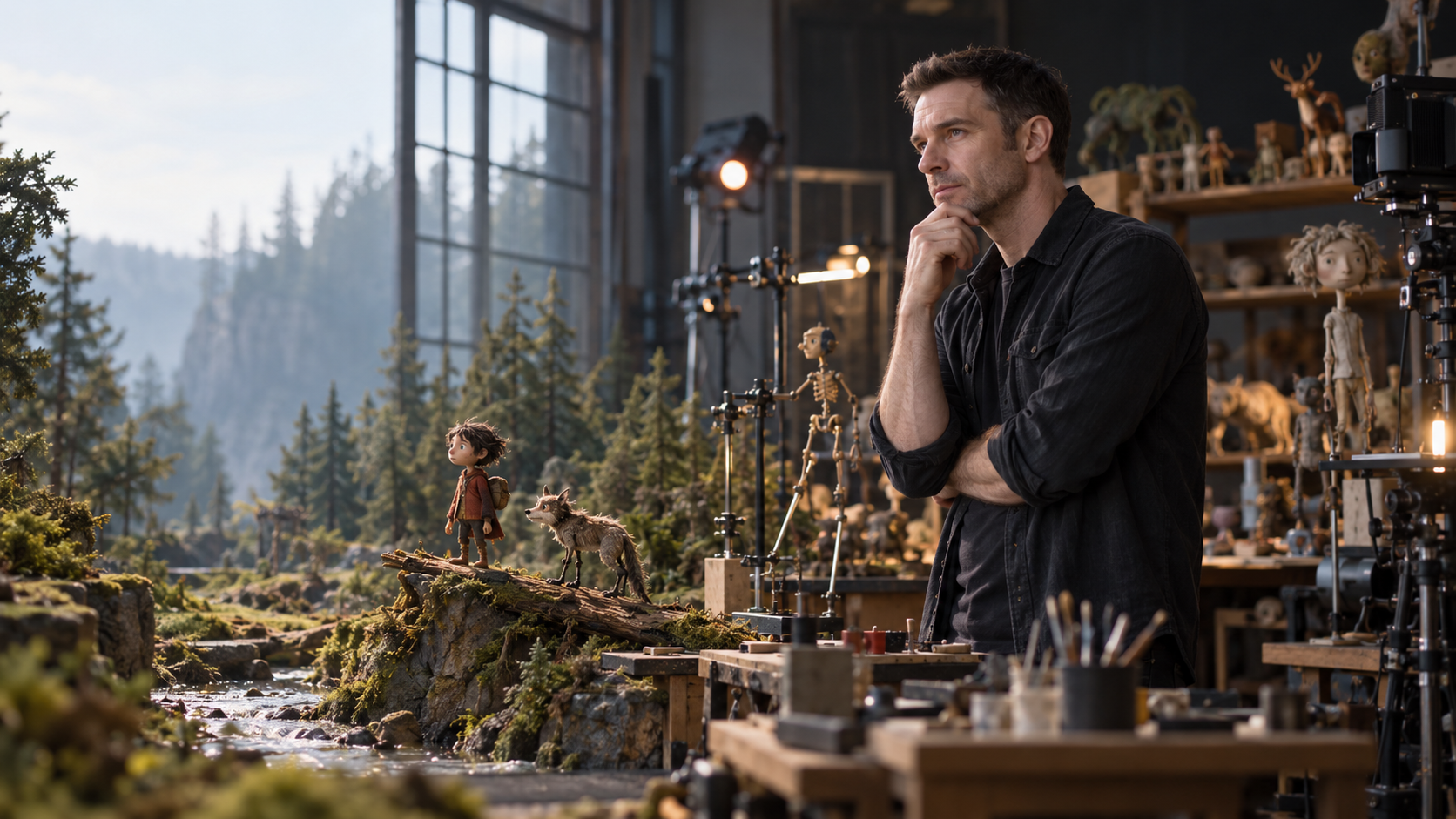
According to a separate interview summary, Knight spent 16 years developing Wildwood and described the stop-motion project as a “masterpiece.” Source 5
The timeline indicates an extended development period, although the supplied material does not establish that every production stage continued continuously for 16 years. Even so, it shows the scale of Knight’s investment in the project.
A film developed over many years reflects sustained work on story, characters, world-building, design, and production planning. In stop-motion, those decisions eventually become physical objects and environments that must be built, tested, adjusted, and animated.
The development period also highlights a contrast between two production philosophies. Generative AI can create outputs quickly, while Laika’s approach emphasizes deliberate development and execution. Speed can be valuable, but it does not replace the goals of a labor-intensive process.
Knight’s description of Wildwood as a “masterpiece” is his characterization, not an established critical consensus. It nevertheless illustrates his personal investment in the project and his view of the film as the result of sustained artistic effort.
The Wider Debate About Authorship
Generative AI has intensified questions about who makes a creative work. A finished image may result from a prompt, a model, a dataset, an editor, and multiple human decisions. Assigning credit can become difficult when production is divided between human direction and machine-generated material.
Artists have also questioned how training data is collected and whether creators know when their work has been included in large datasets. Other concerns involve generated results that resemble established artistic styles or compete with the artists whose work influenced the model.
The supplied sources do not attribute specific training-data or copyright claims to Knight. Those issues belong to the wider debate rather than the confirmed details of his interview comments.
His statement nevertheless places authorship at the center of the discussion. Laika’s stop-motion workflow makes authorship visible: a team designed the puppet, built the set, animated the performance, and captured the frame.
The question is not only whether a tool can produce an attractive image. It is also whether audiences can identify the human decisions and labor embedded in that image.
What Knight’s Position Means for Wildwood
The film’s handcrafted production may become an important part of how audiences discuss it. Marketing could emphasize puppet fabrication, set construction, frame-by-frame animation, and interviews with the artists who created the film. The available sources do not confirm a specific campaign strategy, however.
Audiences may evaluate Wildwood through several lenses, including its story, characters, visual design, performances, and the labor required to build it. Knight’s position could encourage viewers to see the film as more than a stop-motion release: it could become an example of a studio making its production philosophy part of its identity.
The film should not be described as a direct response to AI unless its story or creators establish that connection. The available material supports a narrower conclusion: Wildwood matters to the AI debate because of how it is made, not because it is confirmed to address generative AI in its narrative.
Frequently Asked Questions
What did the Wildwood director say about generative AI?
Travis Knight said generative AI is “antithetical to everything that we are at this studio.” He connected the technology to a conflict with Laika’s commitment to handcrafted stop-motion animation and human creativity. Source 1
Why does generative AI conflict with Laika’s filmmaking approach?
Laika’s identity centers on physical puppets, miniature sets, practical materials, and frame-by-frame animation. Knight’s comments suggest that generative AI conflicts with a production model based on visible craftsmanship and direct human authorship.
How long has Wildwood been in development?
Knight reportedly said he spent 16 years developing Wildwood. The available summary does not establish that every production stage lasted continuously for the entire period. Source 5
Is Wildwood made entirely without digital technology?
The available sources do not establish that. Knight’s comments specifically address generative AI. Stop-motion productions can use digital editing, compositing, visual effects, color correction, and other software.
Did Travis Knight say that all AI is harmful?
No such broad claim is supported by the supplied sources. They report his criticism of generative AI and his view that it conflicts with Laika’s creative values.
Why are Knight’s comments important to filmmaking?
They highlight the debate over whether filmmaking should prioritize automation and speed or preserve labor-intensive creative processes. They also show how a studio can make handcrafted production central to its artistic identity.
Artikel Terkait
-
 James Bond Screen Tests: Cavill, Brolin and Neill
-
 Tom Skerritt, Alien and Top Gun Actor, Dies at 93
-
 Theranos Whistleblower and Investigator React to Documentary
-
 Wildwood: Travis Knight's 16-Year Stop-Motion Epic
-
 Heated Rivalry Gets Limited Regal Theater Release
-
 James Bond Screen Tests: Who Is on the Reported List?