U.S. Measles Surge: What the Graphics Show
U.S. Measles Surge: What the Graphics Show
The United States is experiencing a sharp resurgence of measles, a disease declared eliminated domestically in 2000. Reported cases have increased rapidly, outbreaks have spread across multiple states, and several communities are experiencing concentrated transmission.
Elimination does not mean measles can never enter the country. It means continuous, year-round transmission has been interrupted. Imported infections can still occur, but high vaccination coverage should prevent them from spreading widely.
That protection weakens when vaccination rates fall.
The graphics accompanying this article show four parts of the same public-health story: the national increase in reported cases, the geographic spread of infections, the concentration of cases in particular communities, and the relationship between declining immunization coverage and renewed transmission. Together, they show that the U.S. measles surge is not one isolated event. It is a collection of local outbreaks linked by immunity gaps.
Case totals change as health departments investigate suspected infections, confirm laboratory results, update earlier reports, and remove cases that do not meet the official definition. Figures should therefore be read alongside their publication dates and reporting methods.
What the Graphics Show
Measles cases have reached an unusually high level
A Reuters report described U.S. measles cases as reaching their highest level in 35 years and linked the increase to declining vaccination coverage. The exact comparison depends on the reporting date and the CDC dataset used, so the latest total and historical benchmark should be verified before publication. Reuters
A long-term line chart makes the change clear. For many years, annual U.S. measles totals remained relatively low compared with the period before elimination. Recent increases appear as a steep rise after an extended period of limited transmission.
Suggested graphic: A line chart showing annual reported U.S. measles cases over several decades.
Suggested caption: Reported U.S. measles cases have climbed sharply after years of relatively low totals. Confirm the latest CDC reporting date and historical comparison before publication.
The chart should distinguish among:
- Cases: Individual people diagnosed with measles.
- Outbreaks: Groups of related cases, generally involving two or more connected infections.
- States reporting cases: States with at least one confirmed or reported infection.
- Local transmission: Spread occurring within the United States rather than an infection acquired abroad.
A high national total can conceal a more concentrated reality. Several communities may account for a large share of cases, while other states report only isolated infections or none during a particular reporting period.
The outbreak is spreading across multiple states
Associated Press reporting shows that the surge is not limited to one location. Its graphics illustrate the growing scale and geographic reach of the U.S. measles outbreak. Associated Press
A state-level map can show where infections have been reported, but it cannot show the full intensity of transmission without additional information. A state with one imported case and a state with a large, ongoing cluster may receive the same color on a simple map.
Suggested graphic: A U.S. choropleth map showing reported measles cases by state.
A more detailed map should distinguish among:
- States with confirmed cases.
- States with active outbreaks.
- Counties or regions with multiple linked cases.
- Areas where officials have identified ongoing community transmission.
Reporting dates matter. One state may update its total daily, while another reports weekly. Case definitions and investigation procedures can also differ, making totals appear inconsistent even when each health department follows its own reporting process.
Local outbreaks can drive the national increase
National case totals often rise because several outbreaks occur at the same time. A regional cluster can expand through households, schools, workplaces, healthcare settings, or community events. Imported infections may start the chain, but continued spread requires people who lack immunity.
Virginia illustrates how a regional outbreak can affect the national picture. A supplied case report said the state’s total had risen above 70, with most cases concentrated in Central Virginia. That figure must be confirmed against the latest Virginia Department of Health update before publication. Virginia measles case report
Suggested graphic: A Virginia map highlighting Central Virginia and affected localities.
Regional concentration helps investigators identify transmission chains, reveal communities where vaccination coverage may be insufficient, and target exposure notifications, vaccination outreach, and medical guidance.
A high concentration of cases in Central Virginia does not mean every community in the state faces the same level of risk. Local exposure information remains more useful than a statewide average.
Why Measles Is Returning After Elimination
Vaccination coverage has weakened
The MMR vaccine protects against measles, mumps, and rubella. High community vaccination coverage limits the virus’s ability to spread. When coverage falls, outbreaks can grow more easily after an imported infection.
The CDC recommends a routine two-dose MMR schedule for children. The first dose is generally given at 12 through 15 months, and the second at 4 through 6 years. Recommendations may differ for international travel, outbreak response, healthcare workers, and other circumstances. People should confirm their schedule with a healthcare professional or health department. CDC measles vaccination guidance
Community immunity also protects people who cannot be fully vaccinated, including young infants and some people with immune conditions or medical contraindications. No vaccine prevents every infection, but high coverage reduces the chance that an imported case will become a sustained outbreak.
National averages can hide local gaps. Vaccination rates may differ sharply among states, counties, school districts, and communities.
Measles is highly contagious
Measles spreads through respiratory particles and droplets released when an infected person breathes, coughs, or sneezes. The virus can remain in the air in an enclosed area for a period after the infected person leaves. Someone without immunity may become infected after brief exposure.
An infected person can expose others before the diagnosis is confirmed. Early symptoms often resemble other illnesses, allowing transmission before anyone recognizes measles as the cause.
This combination of high contagiousness, delayed recognition, and uneven immunity makes measles difficult to contain once it enters a vulnerable community.
International travel can introduce the virus
Measles continues to circulate in other parts of the world. Travelers can acquire the virus abroad and bring it into the United States. Imported infections do not automatically produce large outbreaks, but sustained domestic transmission becomes more likely when the virus reaches communities with insufficient immunity.
Travel can introduce the virus, but susceptible people determine whether transmission stops with one case or spreads through a connected group.
Where the Outbreak Is Most Visible
National maps reveal uneven risk
Maps are useful, but readers must check the legend and update date before interpreting them.
Darker colors may represent more reported cases, although each graphic uses its own scale. Blank areas may indicate no reported cases at the time of publication, not necessarily zero infections. A county may appear blank because reporting is delayed, officials are protecting patient privacy, or available data are incomplete.
Raw case totals also favor larger states. Population-adjusted rates can provide a better comparison when reliable population data are available.
Central Virginia is a notable example
The reported concentration of cases in Central Virginia shows why national maps need local detail. A regional cluster may begin with an imported infection and expand as close contacts become infected. Additional cases can emerge in households, schools, workplaces, healthcare facilities, or community settings.
Health officials investigate each case, determine whether infections are linked, identify exposure locations, and assess vaccination status. The resulting data can change the shape of the outbreak map over time.
Virginia’s reported total and regional distribution should be checked against the most recent official state update before publication.
Utah is working to prevent another surge
Utah offers a different lesson: declining reported cases do not necessarily mean outbreak risk has disappeared. Governing reported that Utah was working to prevent another measles surge as case numbers declined. Governing
Prevention work can continue after the visible peak. Public-health agencies may investigate cases, trace contacts, issue exposure notifications, promote vaccination, communicate with healthcare providers, and monitor for new transmission.
A temporary decline may reflect the natural end of one transmission chain. It does not prove that immunity gaps have been closed. If a new imported case reaches the same susceptible population, another surge can begin.
What Falling Vaccination Rates Mean
Vaccination reduces a person’s risk of measles and lowers the number of opportunities for the virus to spread. This protection matters for infants who are too young for routine vaccination and people who cannot receive certain vaccines because of medical conditions.
Vaccination coverage may vary because of missed appointments, limited access to primary care, transportation problems, cost and insurance barriers, disruptions during the COVID-19 pandemic, delayed childhood immunization schedules, misinformation, declining confidence in vaccines, and differences among schools, neighborhoods, and social networks.
Structural barriers and vaccine hesitancy are separate issues. Some families want vaccination but cannot obtain timely care. Others delay or refuse vaccination because of misinformation or safety concerns. Effective public-health responses must address both access and confidence.
Measles may remain absent from a community for years and then spread quickly after introduction. The virus does not need every person to be susceptible. It needs enough susceptible people, connected through schools, households, workplaces, or social settings, to keep transmission moving.
Why Measles Cases Are Difficult to Contain
Early measles symptoms commonly include fever, cough, runny nose, and red eyes. The characteristic rash usually appears later. Because early symptoms overlap with other respiratory illnesses, patients may not recognize the need for measles testing or precautions.
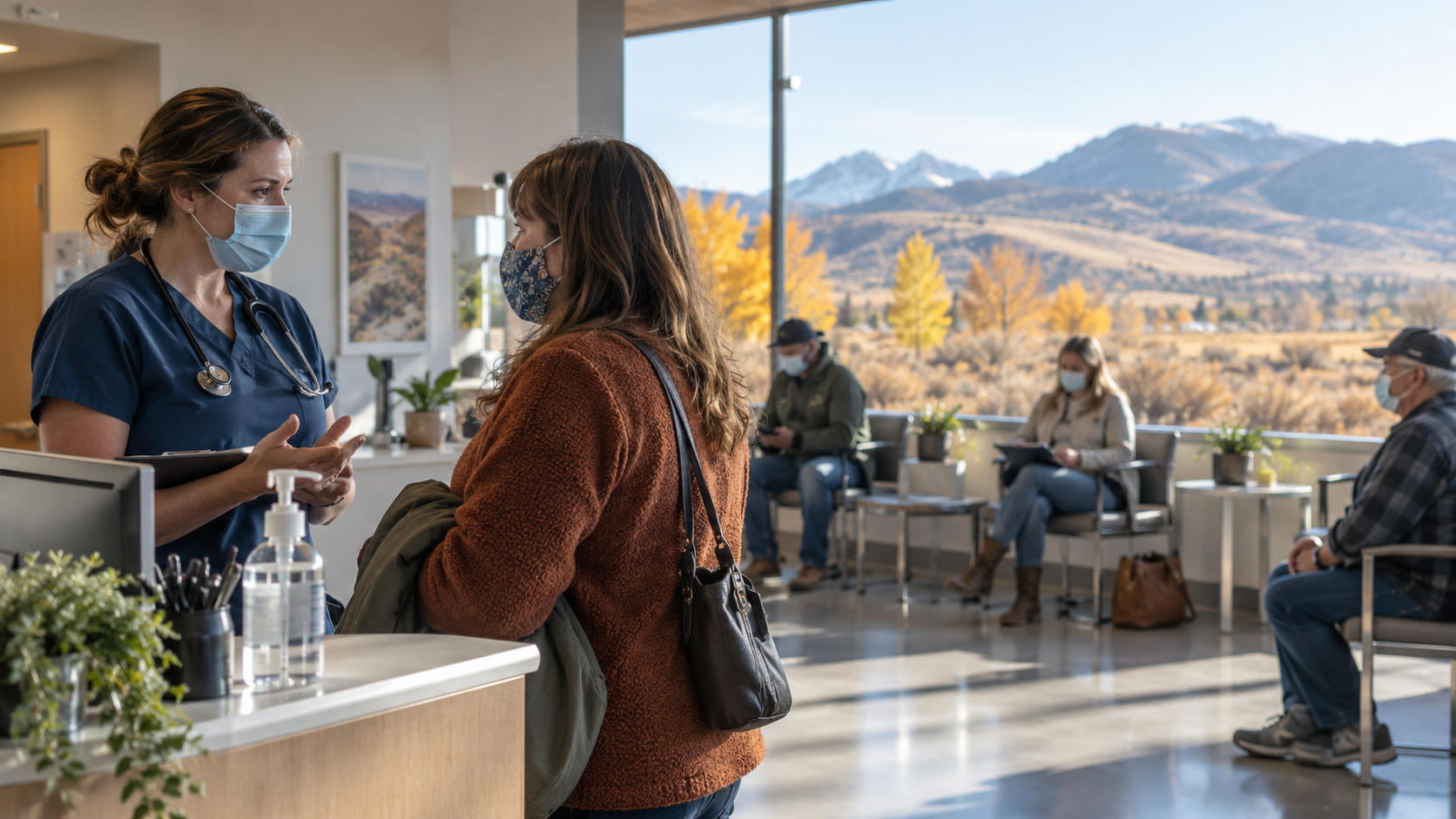
Anyone with possible exposure or symptoms should contact a healthcare provider before arriving at a clinic. Advance notice allows staff to reduce exposure to other patients.
After a suspected or confirmed case, health officials may need to:
- Confirm the diagnosis through laboratory testing.
- Interview the patient or family.
- Identify close contacts.
- Determine vaccination and immunity status.
- Review travel history and possible exposure locations.
- Notify people who may have been exposed.
- Monitor contacts for symptoms.
- Coordinate medical evaluation and infection-control measures.
Reported totals can change as investigations progress. A suspected case may be confirmed, ruled out, or reclassified. Case counts are snapshots rather than final measurements.
An outbreak may remain limited to one location or connected group. Readers should distinguish among confirmed cases, suspected cases, exposed contacts, and people under monitoring. State and local health departments provide the most useful information for a specific school, workplace, county, or community.
What People Can Do
Families should review immunization records with a healthcare provider. People who are unsure of their status can ask a clinician or health department about available documentation and testing options.
Recommendations may vary according to age, travel plans, occupation, pregnancy status, immune function, and medical history. People should not add doses or alter schedules without current medical guidance.
After a possible exposure, follow instructions from local health officials. An assessment may include vaccination history, symptom monitoring, testing, medical evaluation, or temporary isolation, depending on the circumstances.
Anyone who may have measles should call ahead before visiting a medical facility. Arriving without notice can expose other patients and healthcare workers.
The CDC, state health departments, local health departments, and healthcare providers offer the most reliable information. Check update dates because case totals and recommendations can change.
How to Read the Graphics Responsibly
Before interpreting a chart, check:
- The last update date.
- The geographic area covered.
- Whether cases are confirmed, suspected, or provisional.
- Whether cases are counted by symptom onset, report date, or investigation date.
- Whether the data include imported cases, locally acquired cases, or both.
Two charts can show different totals without either being incorrect if they use different dates or methods.
Do not compare a partial-year total with a full-year total without labeling the difference. Do not compare raw case totals across states without considering population size. Do not treat reported cases as a direct measure of infections that have not yet been diagnosed.
Delayed reporting can produce a sudden increase on a chart even when infections occurred over earlier days or weeks. A state with no cases on a particular map may simply have no reported cases at that moment. A blank county may reflect delayed reporting, privacy rules, or insufficient data.
The Bigger Public-Health Meaning
The graphics show a preventable disease returning after years of limited domestic transmission. Measles elimination depends on sustained vaccination coverage, rapid detection, and swift responses to imported infections.
The surge is both a national trend and a collection of local outbreaks. Case totals alone do not show the full burden. Each case can generate medical visits, laboratory testing, contact tracing, exposure notifications, school and workplace disruptions, and efforts to protect people at higher risk of severe illness.
The practical response is straightforward: verify vaccination status, follow exposure alerts, seek medical advice after possible exposure, and use current CDC and health department data.
FAQ
How many measles cases are there in the U.S.?
The total changes as states report new infections and health officials complete investigations. Use the latest CDC measles surveillance update for the current number and reporting date. Confirmed cases should be distinguished from suspected infections and exposed contacts. CDC measles surveillance
Why are measles cases rising in the United States?
Declining vaccination coverage has created immunity gaps in some communities. Imported infections can introduce the virus, and sustained transmission becomes more likely when susceptible people live or gather in the same places.
Is measles still considered eliminated in the U.S.?
Elimination means the absence of continuous, year-round transmission. It does not mean imported cases can never occur. Extended domestic transmission can threaten elimination status, which is why health officials monitor outbreaks closely. CDC measles elimination information
Which states have reported the most measles cases?
The ranking changes as new cases are reported. Consult the latest CDC data and state health department updates. Virginia, including Central Virginia, should be included only if its reported total remains current at publication.
How can people protect themselves from measles?
Follow current CDC vaccination guidance, review immunization records with a healthcare provider, and follow local health department instructions. Anyone with possible exposure or symptoms should call ahead before seeking in-person care.
What should someone do after possible measles exposure?
Contact a healthcare provider or local health department promptly. Mention the possible exposure before arriving at a clinic. Officials may assess vaccination history, symptoms, timing, and close contacts and provide instructions based on the situation.
Conclusion
U.S. measles cases have risen to an unusually high level after years of low domestic transmission. The graphics reveal a steep national increase, uneven geographic distribution, concentrated regional outbreaks, and a connection between declining vaccination coverage and renewed spread.
The risk is not identical everywhere. Some areas may report isolated imported cases, while others face active community transmission. That distinction makes current, local information essential.
Check vaccination records, follow public-health alerts, read the date and methodology behind every chart, and seek medical guidance after possible exposure. Maintaining high community immunity and responding quickly to new cases remain the most effective ways to prevent another measles surge.