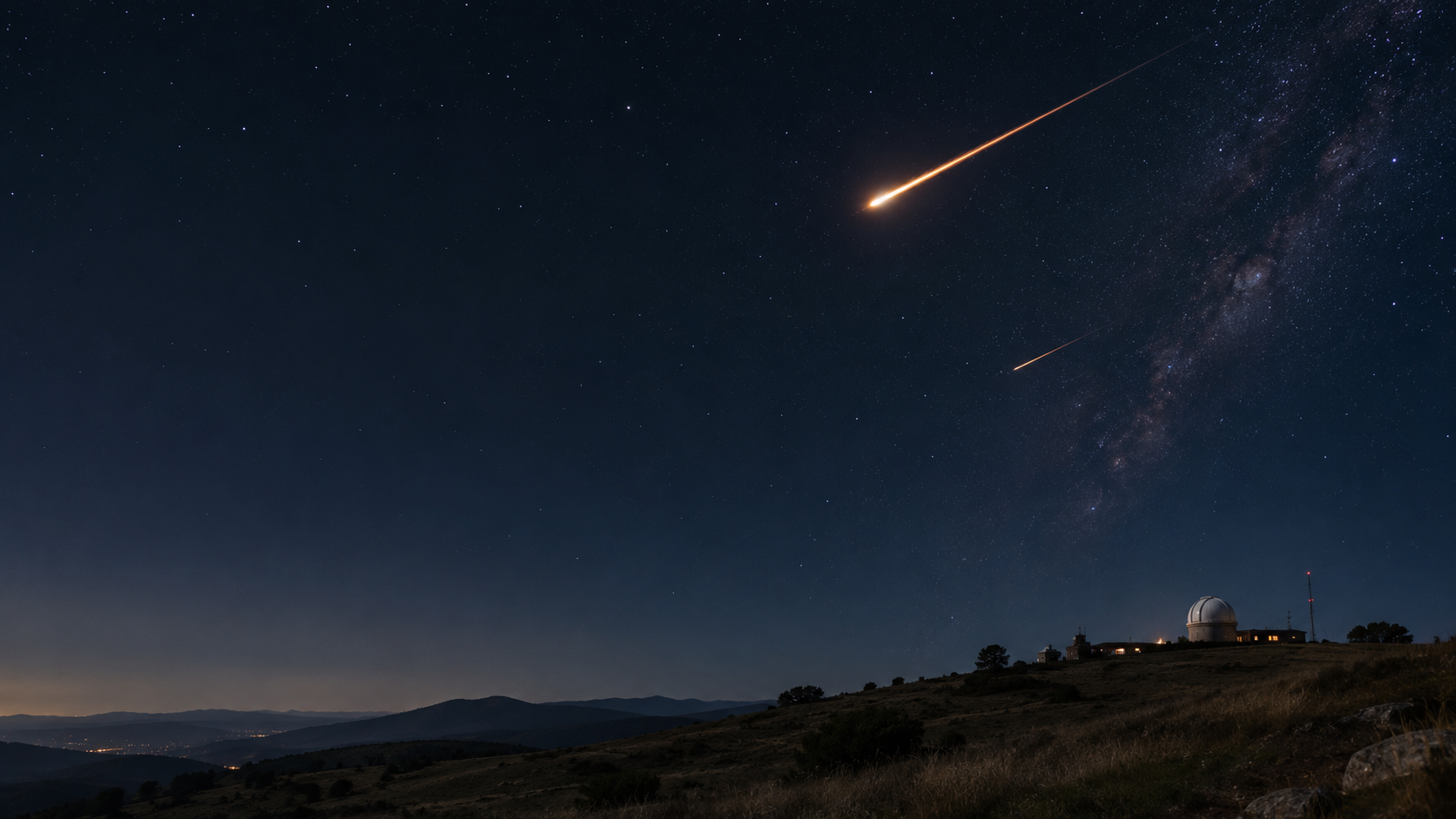
Taurid Meteor Shower 2026: Best Viewing Dates
Taurid Meteor Shower 2026: When to See Fireballs in November
The Taurid meteor shower 2026 offers one of the year’s best opportunities to see a slow, bright meteor or an occasional fireball. The shower does not produce the high meteor rates associated with the Perseids or Geminids. Instead, the Taurids are known for exceptionally bright meteors that can remain visible for several seconds.
The Taurids are active throughout much of autumn. Their two branches, the Southern Taurids and Northern Taurids, overlap in November, giving observers several opportunities to watch. The most favorable nights should occur around the Southern Taurid peak on November 4–5 and the Northern Taurid peak on November 11–12, 2026. Exact visibility depends on location, weather, moonlight, and local darkness. International Meteor Organization
The New Moon occurs on November 9, creating relatively dark skies near both main peak periods. Local moonrise and moonset times still matter. Time and Date
What Is the Taurid Meteor Shower?
The Taurids Come From Comet Encke
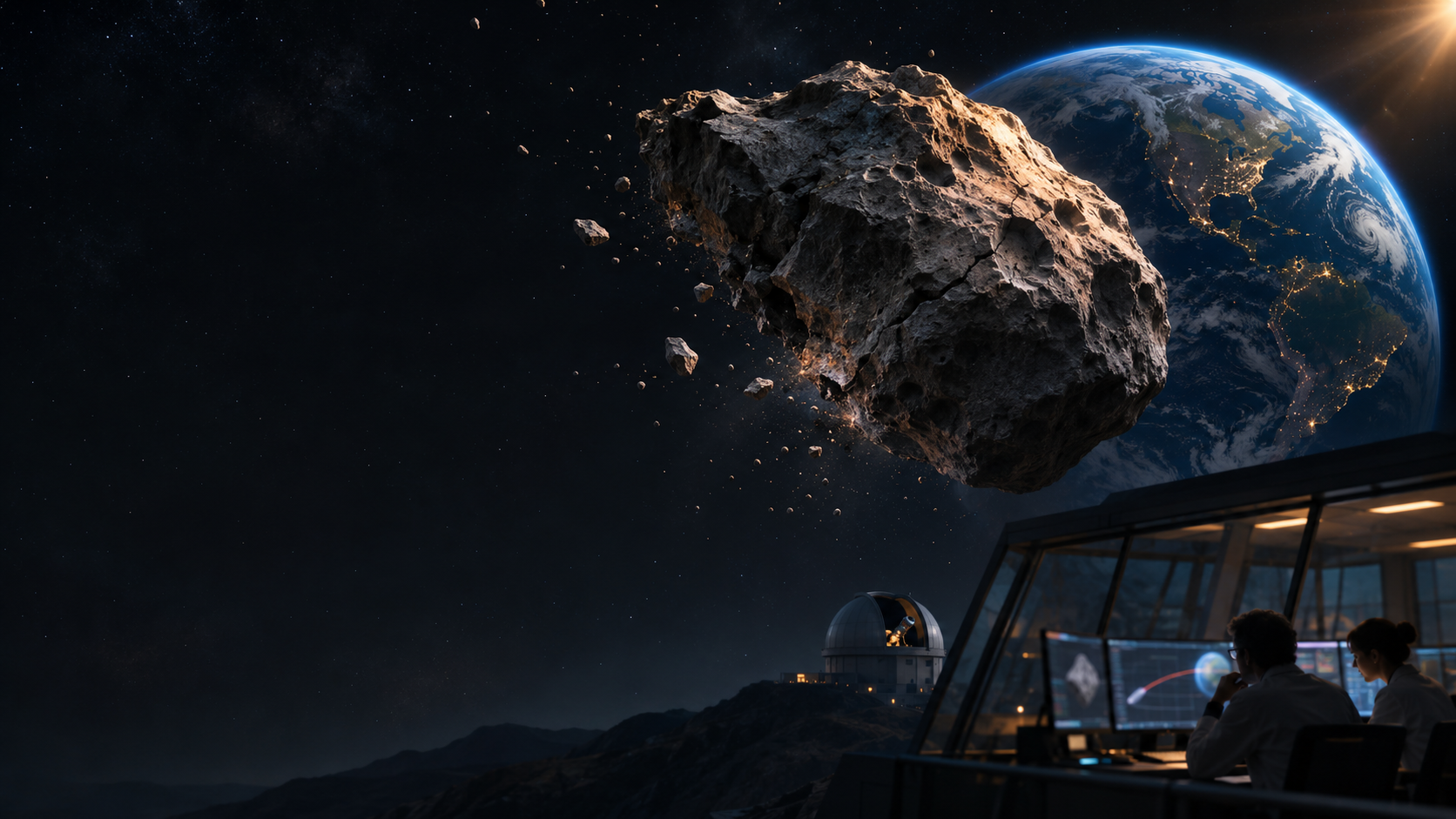
The Taurid meteor shower comes from debris associated with Comet 2P/Encke. As Earth travels around the Sun, it passes through the broad stream of dust and rocky particles left along the comet’s orbit.
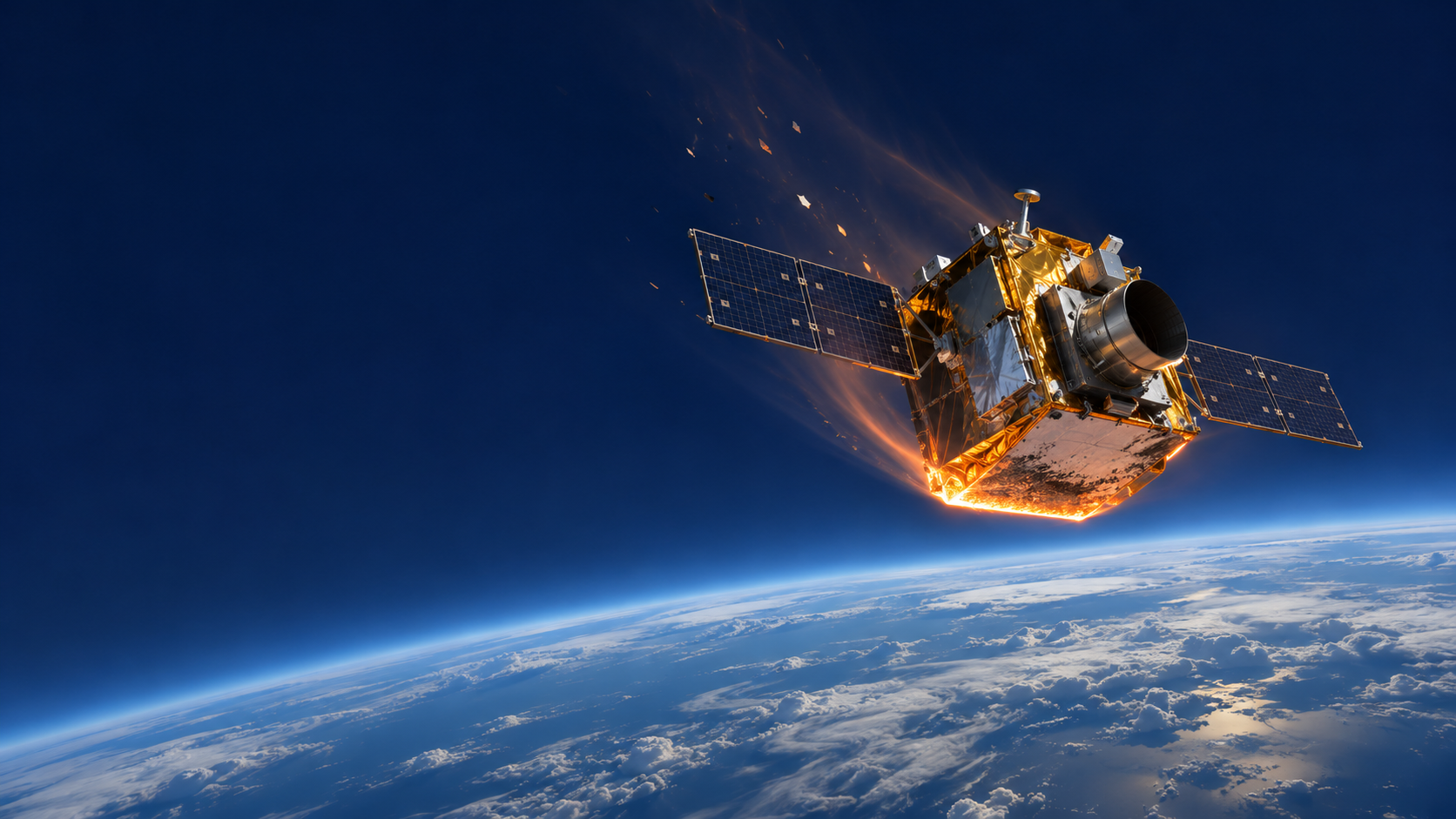
When one of these particles enters Earth’s atmosphere, friction and compression heat the surrounding air and create a streak of light called a meteor.
- Meteoroid: A natural particle traveling through space.
- Meteor: The streak of light produced when the particle enters the atmosphere.
- Meteorite: Any surviving fragment that reaches the ground.
Most Taurid meteoroids burn up high above Earth’s surface. A larger particle can create an exceptionally bright meteor, often called a fireball.
Why the Taurids Produce Bright Fireballs
The Taurid stream contains relatively large particles compared with many other annual meteor showers. These particles can produce slower, brighter meteors when they enter the atmosphere.
A fireball is an exceptionally bright meteor. Some Taurid fireballs shine for several seconds, cross a large portion of the sky, or leave a glowing trail after the meteor disappears. The American Meteor Society classifies fireballs as meteors at least as bright as Venus, although the brightest examples can rival the full Moon. American Meteor Society
Taurid meteors are also relatively slow compared with showers such as the Leonids. Their slower apparent motion can make their paths easier to follow.
A fireball can appear anywhere in the sky. It may seem to come from the Taurid radiant, but the radiant is only the perspective point from which the meteor paths appear to originate. Do not stare directly at it.
The Northern and Southern Taurids
The Taurids have two related branches:
- Southern Taurids
- Northern Taurids
The Southern Taurids are generally active from late September or early October through late November, with a peak around November 4–5. The Northern Taurids are active from roughly late October into early December, with a peak around November 11–12. Dates can vary slightly between astronomical organizations because meteor activity rises and falls gradually. International Meteor Organization
The two branches overlap throughout November. For practical viewing, the combined activity period matters more than identifying which branch produced an individual meteor.
When to See the Taurids in November 2026
| Taurid component | Approximate activity period | Expected peak | Best viewing window |
|---|---|---|---|
| Southern Taurids | Early October to late November | November 4–5 | Late evening through dawn |
| Northern Taurids | Late October to early December | November 11–12 | Late evening through dawn |
| Combined Taurid activity | October through early December | November 4–12 | Several clear nights around both peaks |
The best strategy is to observe across several nights rather than choose only one date. Fireballs are unpredictable and can appear before or after the formal maximum.
For the Taurid meteor shower in November 2026, the best overall period should run from approximately November 1 through November 15. The Southern Taurids contribute their peak early in the month, while the Northern Taurids become more prominent around mid-November.
The New Moon on November 9 should reduce moonlight near the Northern Taurid peak. The Southern Taurid peak also occurs close enough to the New Moon for generally favorable lunar conditions. Check local moonrise and moonset times before observing.
The Best Time of Night to Watch
The best time to watch the Taurids is usually from late evening through the hours before dawn.
The Taurid radiant lies in Taurus. It rises higher in the sky as the night progresses, increasing the area of sky from which Taurid meteors can appear. The hours after midnight and before dawn often provide the best viewing geometry.
A practical schedule is:
- Begin after the sky becomes fully dark.
- Watch for at least 30 minutes.
- Stay longer if the sky remains clear, especially after midnight.
- Prioritize the pre-dawn hours when Taurus is higher.
Local sunset, latitude, weather, moon position, and the altitude of Taurus all affect conditions. Check sunset and sunrise, moonrise and moonset, cloud cover, visibility, wind, temperature, artificial light, and the height of Taurus before leaving home.
How Long to Watch
Watch for at least 30 minutes. A session lasting one to three hours provides a better chance of seeing a bright meteor.
Meteor activity is irregular. Several minutes may pass without a visible meteor, followed by two or more in quick succession. Allow 20–30 minutes for your eyes to adapt to darkness, particularly after using a phone, flashlight, or vehicle headlights.
Will Moonlight Affect the 2026 Taurids?
The New Moon falls on November 9, 2026, placing the darkest lunar conditions close to the Northern Taurid peak. This should help observers see fainter meteors that moonlight would otherwise obscure. The Southern Taurid peak near November 4–5 also occurs near a relatively dark lunar phase. Time and Date
Moon conditions vary by location. The Moon may be below the horizon during one part of the night and above it later. Its altitude and direction also matter.
A bright Moon does not eliminate Taurid fireballs. It mainly reduces the visibility of faint meteors. The brightest Taurids can remain visible under moderate moonlight, especially from a location with little artificial lighting.
If the Moon is above the horizon:
- Place it behind a building, hill, tree line, or other safe obstruction.
- Face away from direct moonlight.
- Watch the darkest part of the sky.
- Avoid looking directly at the Moon before observing.
- Choose a moonless night when possible.
- Prioritize clear, transparent skies over a slightly better calendar date.
Where to Watch the Taurids
Choose a Dark-Sky Location
The best location is away from city centers and direct artificial light. Suitable options include rural roads with safe pull-offs, dark-sky parks, beaches, open fields, mountain viewpoints, remote campsites, and large parks with legal nighttime access.
Avoid streetlights, sports fields, shopping centers, parking lots, and illuminated buildings. Use only locations that are safe, legal, and accessible after dark. Check park hours, weather hazards, road conditions, and local restrictions before traveling.
A clear horizon helps, but a completely unobstructed horizon is not essential. A comfortable, dark location with a broad overhead view is more valuable than a high viewpoint surrounded by lights.
How Much of the Sky Should You See?
Meteors can appear anywhere across the sky. Choose a location where buildings, trees, and hills block as little of the sky as possible.
Taurus is generally in the eastern sky during the evening and rises higher later at night. Do not stare directly at the radiant. Look approximately 45 degrees away from it and 30–60 degrees above the horizon. Scan a broad area rather than focusing on one constellation.
Regional Viewing
Observers across North America and Europe can watch the Taurids throughout November nights. Taurus generally becomes more favorable after midnight, although the exact timing depends on latitude and longitude. Rural areas, national forests, desert locations, coastal areas, and dark-sky parks usually provide better conditions than cities.
The Taurids are also visible from the Southern Hemisphere, although the radiant’s altitude and nightly path differ. Use a local astronomy app or planetarium program to determine when Taurus is highest. Local darkness and weather remain more important than generic regional guidance.
Bright Taurid fireballs may be visible from urban and suburban areas, although light pollution hides many fainter meteors. If travel is not possible, choose an open rooftop, backyard, sports field, or park with reduced lighting.
How to Watch the 2026 Taurids
Equipment
You do not need a telescope or binoculars. The unaided eye provides the widest field of view and is best for catching unpredictable meteors.
Bring:
- A reclining or camping chair
- Warm clothing and blankets
- Water and snacks
- A red-light flashlight
- A phone with reduced brightness
- A hat and gloves in cold conditions
- A ground mat for damp surfaces
Binoculars and telescopes have narrow fields of view. They are useful for examining stars, planets, or the Moon between meteor appearances, but not for general meteor watching.
Protect Your Night Vision
White light quickly reduces dark adaptation. Use a red light only when necessary and keep it pointed downward. Avoid bright phone screens, vehicle headlights, white flashlights, repeated time checks, and lights directed toward other observers.
Disable unnecessary phone notifications and use a red-screen mode if available. Once your eyes adapt, faint meteors become easier to detect.
Photographing Taurid Fireballs
Photographing a specific fireball is difficult because its location cannot be predicted. Continuous shooting improves the odds.
Use a camera with manual exposure controls, a wide-angle lens, a sturdy tripod, an intervalometer or time-lapse mode, a fully charged battery, and extra storage.
A practical starting point includes a wide aperture, high ISO, an exposure of several seconds, manual focus set to infinity, and continuous or interval shooting. Exact settings depend on the lens, camera, sky brightness, and moonlight. Review test frames and reduce exposure if the sky is too bright. Focus on a distant light or bright star before switching to manual focus.
Keep the camera operating for one to several hours. Long sessions provide more opportunities than isolated exposures.
What to Expect
The Taurids usually produce fewer meteors per hour than the Perseids or Geminids. Under ideal dark-sky conditions, observers may see only a modest number during an hour. Actual counts are often lower because of light pollution, moonlight, clouds, haze, obstructions, and limited attention.
The Taurids’ appeal is not a constant meteor stream. It is the chance to see a bright, slow-moving meteor that stands out against an otherwise quiet sky.
Taurid meteors may appear bright, slow-moving, yellowish or orange, long-lasting, and prominent. Color depends on particle composition, speed, brightness, and perception. Apparent duration also depends on the meteor’s path across the sky.
No forecast can guarantee a fireball on a particular night. Watch on multiple clear nights around November 4–5 and November 11–12. A single bright meteor can make an entire session worthwhile.
Viewing Checklist
Before Leaving Home
- Check the Southern and Northern Taurid dates.
- Check hourly cloud cover and precipitation.
- Check moon phase, moonrise, and moonset.
- Select a dark, safe, legal location.
- Tell someone where you are going.
- Pack warm clothing, water, and a reclining chair.
- Charge your phone and camera.
- Check road and park conditions.
At the Observing Site
- Arrive before full darkness when possible.
- Set up away from direct lights.
- Turn off white lights and reduce phone brightness.
- Allow 20–30 minutes for night vision.
- Position yourself with a broad view of the sky.
- Keep the Moon behind you or behind an obstruction.
- Look away from the radiant rather than directly at it.
- Watch continuously for at least 30 minutes.
- Record the time and direction of any unusually bright meteor.
- Leave the location as you found it.
Common Mistakes to Avoid
Watching Only on One Peak Night
Taurid activity spans multiple weeks. Clouds, haze, moonlight, or local commitments can spoil an official peak night. Choose the clearest, darkest night available and watch several nights around both November peaks if possible.
Looking Directly at the Radiant
The radiant identifies the apparent source of the meteors but is not always the best place to look. Meteors near the radiant have shorter trails. Look about 45 degrees away from it and high in the sky.
Expecting a Constant Stream
Several minutes may pass without a meteor. Activity can occur in bursts, and a quiet period does not mean the shower has ended. Stay outside longer and keep your gaze moving across a broad region of sky.
Using a Telescope
A telescope’s narrow field makes it impractical for meteor showers. Use your unaided eyes for the widest view.
Taurids and Other November Sky Events
The Leonid meteor shower is also active in November but is separate from the Taurids. The Leonids originate from debris associated with Comet 55P/Tempel-Tuttle, while the Taurids are linked to Comet 2P/Encke. Their radiants and peak periods differ.
NASA’s November 2026 skywatching guidance can help observers combine a Taurid session with events involving the Moon, planets, and constellations. Check the official monthly guide for confirmed dates and regional visibility. NASA Science
The Taurids are best enjoyed through patient, wide-field observation rather than by watching one small area of the sky.
Final Advice
Choose a dark location, check the forecast, and watch across several nights around November 4–5 and November 11–12, 2026. Observe from late evening through the pre-dawn hours, when Taurus rises higher and more of the sky becomes favorable.
The New Moon on November 9 should provide relatively dark conditions near the main peaks. Local moon position, clouds, haze, and artificial light will still determine what you see.
Expect fewer meteors than during the Perseids or Geminids, and remain patient. The Taurids reward observers with brightness rather than quantity. One unexpected fireball can make a cold night under the stars memorable.
Check updated astronomical data, local weather, moonrise and moonset times, and location-specific visibility shortly before observing.
Frequently Asked Questions
When is the Taurid meteor shower in 2026?
The Southern Taurids are expected to peak around November 4–5, 2026. The Northern Taurids are expected to peak around November 11–12. Broader Taurid activity extends from autumn into early December, with both branches overlapping throughout November.
Fireballs can appear outside the formal peak dates, so watch on multiple clear nights.
What is the best time to see Taurid fireballs in November 2026?
The best time is generally from late evening through dawn, with conditions often improving after midnight as Taurus rises higher. The exact local time depends on latitude, longitude, daylight, weather, and moon position.
How many Taurid meteors can I expect to see per hour?
Under dark, clear skies, the Taurids usually produce a modest number of meteors per hour rather than a constant display. Light pollution, moonlight, haze, clouds, and obstructions can reduce the count. The shower is better known for occasional bright fireballs than for high meteor rates.
Do I need a telescope to watch the Taurids?
No. A telescope is unnecessary and can make meteor watching harder because its field of view is narrow. Use your unaided eyes, a reclining chair, warm clothing, and a red flashlight.
Can I see the Taurids from a city?
Yes. Bright Taurid fireballs can remain visible from urban or suburban locations, but city lighting hides many faint meteors. Find the darkest open view available and face away from nearby lights. A darker location will provide a better experience.
Will the Moon affect the 2026 Taurids?
The New Moon occurs on November 9, 2026, near the Northern Taurid peak. This should provide favorable lunar conditions around the main viewing period. Local moonrise and moonset times determine whether moonlight affects a particular session.
Moonlight reduces the visibility of faint meteors but does not prevent bright Taurid fireballs. If the Moon is above the horizon, place it behind an obstruction and watch the darkest section of the sky.