Skydance Weighs Specialized Paramount and Warner Bros. Lots
Skydance Weighs Specialized Paramount and Warner Bros. Lots
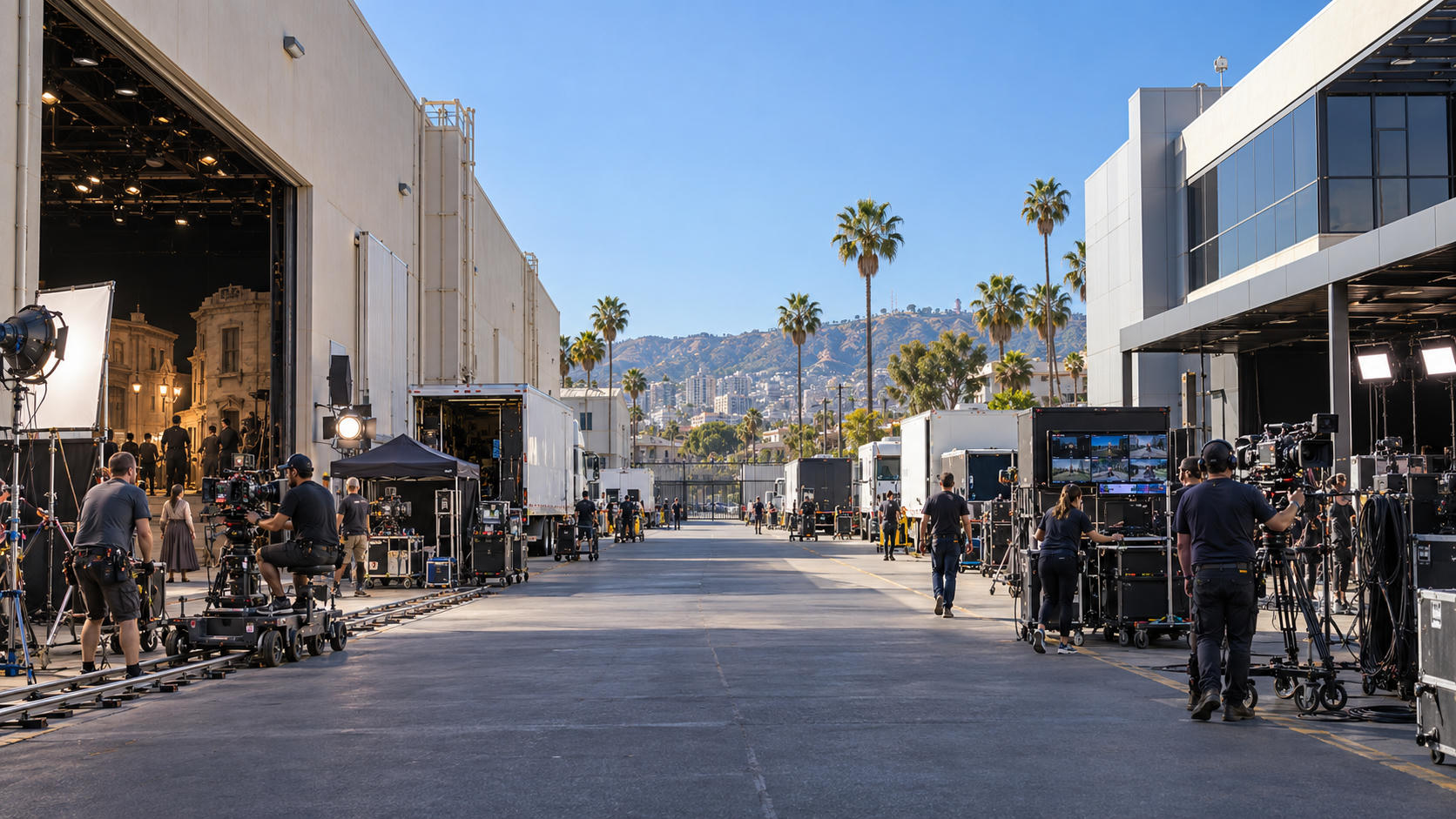
Skydance appears to be considering a more specialized production structure for the Paramount and Warner Bros. lots. Each facility could take a clearer role in film, television, streaming, sports, or news production as the companies align their operations.
The proposal forms part of a broader effort to define the operating model of the combined entertainment company. Available reporting does not establish a final site-by-site allocation. It remains unclear which lot would focus primarily on feature films, which would prioritize television or streaming, and whether the facilities would share stages, crews, and technical resources. Source 1
What the Potential Plan Could Mean
A combined Paramount and Warner Bros. operation would control an extensive network of studios, stages, offices, production services, distribution businesses, broadcast assets, streaming platforms, and live-programming capabilities. Managing those assets efficiently would require decisions about which facilities handle specific types of content.
One lot could become more closely associated with feature films, while another could support episodic television, streaming originals, or live programming. A defined division could help executives assign projects according to stage requirements, production schedules, and technical needs. It could also reduce duplicated infrastructure and staffing.
However, no final blueprint has been publicly established. The reported direction should be treated as an operating concept rather than a confirmed list of facility assignments.
Possible areas of specialization
A specialized production network could divide responsibilities across several categories:
- Feature films.
- Scripted television.
- Streaming originals.
- Unscripted programming.
- News.
- Sports.
- Live events.
- Post-production and distribution support.
The division would not necessarily prevent either lot from hosting other types of production. Film stages could remain available for television projects, while television facilities could support occasional feature work. A flexible system may be more practical than a rigid separation.
Key questions include:
- Which lot would receive the strongest focus for feature films?
- Which facility would support television and streaming?
- Would crews move between the lots?
- Would stages be booked centrally?
- Would technical operations be shared?
- Would integration require relocations, closures, or new investment?
The answers would determine whether specialization becomes a genuine efficiency program or merely a branding exercise.
Why Specialization Matters
Film, broadcast television, and streaming productions operate under different conditions. A major feature may require long-term stage bookings, large construction areas, visual-effects support, and extended post-production. Episodic television often depends on recurring stage access, rapid turnaround, and predictable schedules.
Streaming adds another layer. Platforms require a mix of premium scripted series, unscripted programs, documentaries, live programming, and library content. Sports and news require real-time systems that differ from traditional film-lot operations.
Different production types also demand different:
- Stage configurations.
- Scheduling systems.
- Editing workflows.
- Camera and sound technology.
- Post-production resources.
- Staffing models.
- Distribution processes.
A specialized-lot structure could direct investment toward those needs. The risk is reduced flexibility if audience demand changes or one category experiences a downturn.
Paramount’s Potential Role
Los Angeles headquarters expected to remain important
Paramount leadership has indicated that the company will keep its headquarters in Los Angeles after the transaction, using the message, “We aren’t going anywhere.” Source 5
The statement has practical and symbolic significance. Paramount has a long-standing connection to Los Angeles, and its continued presence supports relationships with employees, guild members, vendors, local officials, and production partners.
Maintaining the headquarters could reassure the regional entertainment workforce during a major corporate transition. It could also preserve Paramount’s identity as a Los Angeles studio rather than reducing the facility to one interchangeable asset in a national production network.
A headquarters commitment does not mean every operation will remain unchanged. Corporate reporting lines, production assignments, staffing structures, and facility uses could still change after the transaction closes.
Film and television operations
Paramount’s lot has an established association with theatrical films and television. Under a new structure, it could serve as a hub for one or more of the following:
- Feature-film production.
- Studio-based television.
- Streaming series.
- Corporate production support.
- Marketing and distribution coordination.
Its location, stages, offices, and existing infrastructure would influence the decision. A facility with strong relationships with television producers may be useful for recurring episodic production, while large stages and specialized technical resources could support major films.
Available reporting does not confirm a definitive Paramount assignment. Claims that Paramount will become exclusively film-focused or television-focused would go beyond the information currently available.
Skydance’s production experience
Skydance operates across film and television, giving its leadership experience with franchise development, commercial releases, production financing, and cross-platform intellectual property. That background could encourage the company to match projects with the facility, team, and distribution route best suited to each title.
Josh Goldstine’s appointment to oversee film marketing and distribution at Skydance adds another relevant element. Source 3
His role does not establish a lot assignment, but it suggests that distribution planning will be central to the company’s film strategy.
Warner Bros. as a Complementary Hub
Warner Bros. has its own production history, brands, creative teams, stages, and studio culture. The combined company may preserve that identity rather than treating Paramount and Warner Bros. facilities as identical.
Distinct studio identities can support relationships with filmmakers, television producers, actors, directors, and production partners. Specialization could reduce duplication while protecting the strengths of both organizations.
Potential film-focused functions
Warner Bros. facilities could potentially support:
- Large-scale feature films.
- Franchise productions.
- High-budget visual-effects projects.
- Long-term stage bookings.
- International co-productions.
- Large production-office operations.
Concentrating major film activity in one environment could improve stage planning, technical staffing, equipment allocation, and production logistics. It could also strengthen the studio’s identity as a destination for premium filmmaking.
The approach carries risks. A film-heavy facility may face capacity constraints when several major projects require stages simultaneously. Smaller productions could struggle to secure space, and the company could lose flexibility if theatrical demand weakens.
No final Warner Bros. production allocation has been confirmed in the available material.
Shared television and streaming facilities
Television and streaming productions often operate on faster schedules than feature films. Episodic series require repeat access to stages, standing sets, production offices, editing systems, and technical crews.
Dedicated or semi-dedicated facilities could support:
- Scripted series.
- Streaming originals.
- Reality programming.
- Unscripted shows.
- Specials.
- Daily programming.
- News and sports-related content.
A shared-resource model may be more practical than a strict division. Stages could be assigned according to demand, while specialized teams handle different categories of work.
Streaming also makes fixed assumptions risky. A platform may increase demand for original series one year and reduce commissioning the next. Facilities must remain adaptable to audience behavior, budgets, and release schedules.
Skydance TV: CBS, Sports, and News
George Cheeks outlined Skydance TV’s direction in a staff memo, emphasizing CBS, sports, and news as key strengths. Source 9
The emphasis broadens the television strategy beyond scripted entertainment. CBS contributes a major broadcast operation, while sports and news provide recurring programming and live content. These businesses have infrastructure needs that differ from those of a film studio.
CBS and traditional television
CBS programming includes scripted series, daytime content, specials, news, and live events. These categories require reliable scheduling, repeatable workflows, and facilities capable of supporting ongoing production.
A specialized television environment could improve consistency for network programming and strengthen coordination among production, scheduling, advertising, and distribution teams. Broadcast and streaming can share content, but their workflows remain different. A network program may follow a fixed weekly schedule, while a streaming series may launch all episodes together or follow a flexible release plan.
Sports and news infrastructure
Sports production depends on live control rooms, remote-production systems, rapid editing, distribution technology, and technical operations teams. News requires speed, reliability, continuous access, and the ability to respond to breaking events.
Those requirements do not fit neatly into a traditional film-lot model. Investment may therefore be directed toward facilities that can support live production, newsroom operations, remote feeds, and rapid content delivery.
CBS, sports, and news could also supply recurring material for streaming services. Live events create appointment viewing, news encourages frequent use, and scripted shows and archives add on-demand depth.
Leadership and Regulatory Context
David Ellison is a central figure in the Skydance-led transaction. Early leadership messaging has outlined broad priorities while leaving specific implementation decisions unresolved. Source 1
A strategic goal is not the same as a confirmed staffing decision, facility plan, or regulatory commitment. The distinction matters when evaluating reports about lot specialization.
The initial phase after a transaction would likely involve assessments of assets, contracts, teams, production calendars, and technology systems. Physical changes would require additional planning and investment.
Ellison also defended meeting Donald Trump while the proposed transaction undergoes regulatory review. Source 7
The episode illustrates the political and regulatory environment surrounding the deal. It does not, by itself, establish the legality, outcome, or motivation behind the meeting.
Lot specialization cannot be fully implemented until the transaction receives the necessary approvals and closes. Regulatory conditions could affect asset ownership, staffing, business-unit structure, production commitments, corporate governance, and integration timing.
Effects on Workers, Vendors, and Los Angeles
Specialization could create clearer teams and responsibilities for studio employees, production crews, marketing staff, distribution workers, and technical personnel. It could also lead to reassignment, consolidation, or changes in reporting lines.
The available sources do not confirm layoffs, closures, or large-scale relocations. Those possibilities should not be presented as established facts.
Vendors could see changing demand for set construction, equipment rental, transportation, catering, security, post-production, technical services, and production offices. Concentrating certain types of work could benefit vendors aligned with that category while reducing opportunities for companies dependent on a broader mix of projects.
Paramount’s continued Los Angeles headquarters commitment may help preserve regional relationships, but headquarters location does not guarantee that every production will remain in California. The long-term impact will depend on production volume, facility investment, and the number of projects assigned to Los Angeles. Source 5
Potential Benefits and Risks
Potential benefits
- More efficient stage use.
- Clearer separation among film, television, streaming, sports, and news.
- Better scheduling for different production timelines.
- Stronger accountability.
- Less duplication.
- Focused investment in technology.
- Closer alignment between production and distribution.
Potential risks
- Less flexibility when demand changes.
- Disruption for workers and vendors.
- High integration costs.
- Loss of institutional knowledge.
- Confusing overlaps between brands and facilities.
- Overreliance on streaming growth.
- Regulatory delays.
- Competition between lots for major productions.
Facility specialization alone will not solve broader industry problems. Success will also depend on content quality, budgets, audience demand, release strategy, distribution partnerships, and streaming economics.
What Has Been Confirmed and What Remains Unclear
Reported developments include:
- Skydance leadership has discussed the direction of the combined company. Source 1
- Paramount is expected to retain its Los Angeles headquarters. Source 5
- Josh Goldstine will oversee film marketing and distribution at Skydance. Source 3
- George Cheeks has emphasized CBS, sports, and news in the television strategy. Source 9
- David Ellison has addressed scrutiny related to his meeting with Donald Trump during regulatory review. Source 7
Open questions remain about which lot will focus primarily on film, which will house television and streaming operations, whether facilities will share stages and crews, whether upgrades or construction will be required, how many employees will change roles, when the plan will begin, what regulatory conditions could apply, and how much production will remain in Los Angeles.
Conclusion
Skydance appears to be moving toward a more specialized production structure for Paramount and Warner Bros. The concept could give each lot a clearer role across film, television, streaming, sports, and news.
Paramount’s reported commitment to maintaining its Los Angeles headquarters provides continuity. Skydance’s film-distribution leadership and George Cheeks’ television priorities also suggest that production decisions will be closely tied to content strategy.
The final assignments remain unresolved. Staffing plans, shared resources, facility investment, and implementation timing will depend on regulatory review and post-transaction integration. Public statements establish direction, but they do not yet provide a complete blueprint for the Paramount and Warner Bros. lots.
Frequently Asked Questions
Will Skydance assign one lot to film and another to television or streaming?
Specialization appears to be part of the reported direction, but no final site-by-site allocation has been published. The lots may share stages, crews, and technical resources.
Will Paramount leave Los Angeles after the merger?
Paramount leadership has said the headquarters will remain in Los Angeles and stated, “We aren’t going anywhere.” Source 5 That does not confirm the future location of every production or corporate function.
What will George Cheeks’ television strategy prioritize?
The strategy highlights CBS, sports, and news. Those areas could support traditional television and streaming through scripted programming, live events, news, sports, and on-demand content.
What role will Josh Goldstine have at Skydance?
Josh Goldstine will oversee film marketing and distribution at Skydance. Source 3 The position could influence how films are positioned across theatrical, television, and streaming platforms.
Has Skydance confirmed layoffs or studio-lot closures?
The provided sources do not confirm layoffs, closures, or large-scale relocations. Integration decisions remain subject to regulatory approval and detailed planning.
When will the specialized-lot plan take effect?
No definitive implementation date has been provided. Timing will depend on regulatory review, transaction completion, and post-transaction integration decisions.
Artikel Terkait
-
 Eva Marie Saint: Career, Films and Lasting Legacy
-
 Kevin Hart Sex-Tape Partner May Enter Court Battle
-
 Jim Bakker, Televangelist and Felon, Dies at 86
-
 Skydance’s Specialized Lots for Paramount and Warner Bros.
-
 DWTS Mariah Carey Night: Elimination, Highest Score
-
 Eva Marie Saint, Oscar-Winning Actress, Dies at 102