Ocarina of Time Reportedly Sets Metacritic User-Score Record
Ocarina of Time Reportedly Sets Metacritic User-Score Record
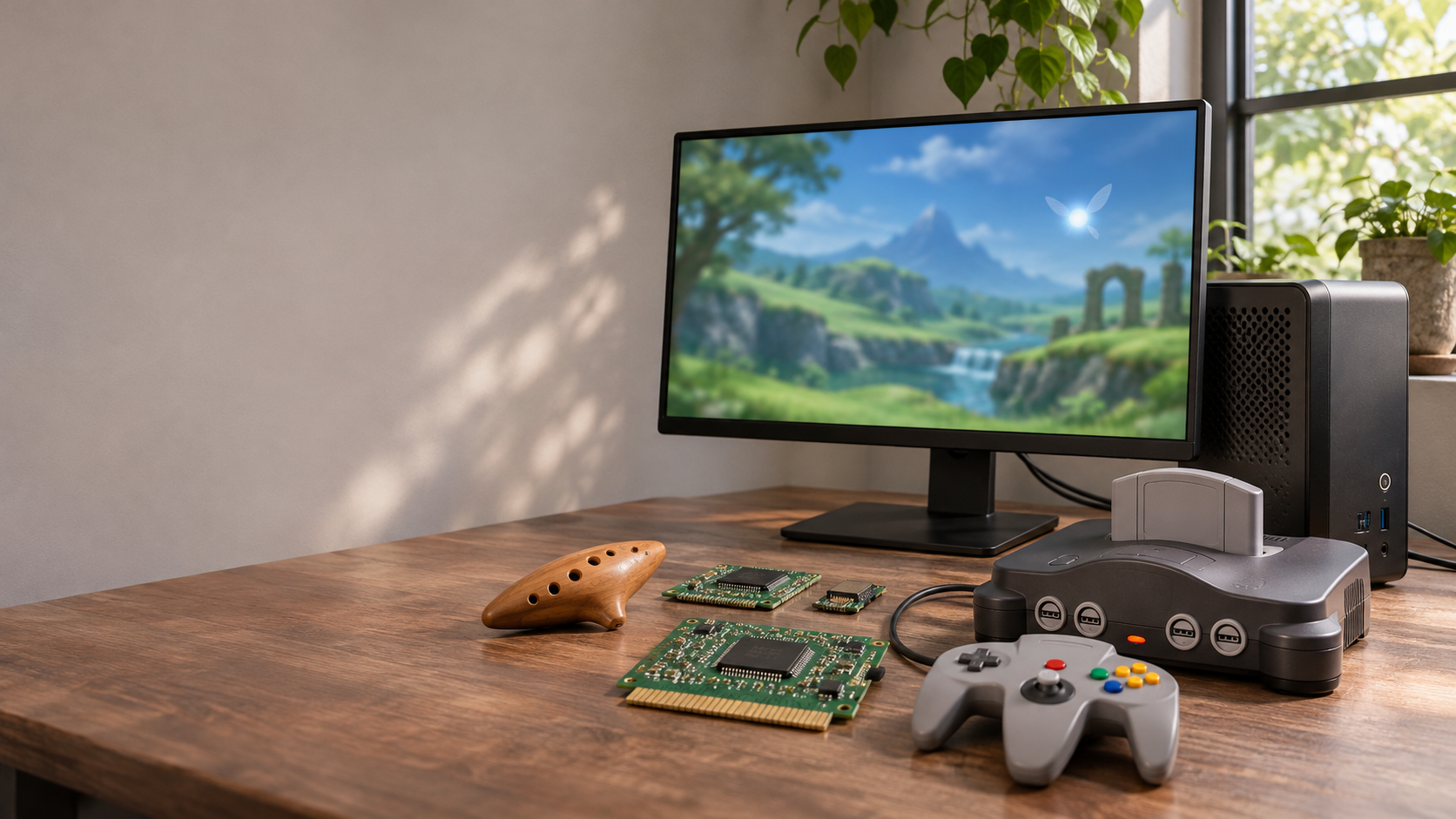
The Legend of Zelda: Ocarina of Time is reportedly at the center of an unusual Metacritic user-score story. Supplied reports claim that a remake, remaster, or updated edition of Nintendo’s classic achieved the site’s highest user score despite attempts to lower its rating through negative reviews.
The claim remains unverified in full. The available reports do not provide an exact score, a complete rating count, a precise definition of the record, or enough official information to establish whether the release is a full remake, remaster, or Nintendo Switch 2 edition.
What the Reports Claim
Two supplied reports say that Ocarina of Time achieved Metacritic’s highest user score ever recorded. One describes the release as a remake and says it reached the site’s highest user score despite review-bombing allegations Source 1. Another repeats the record claim and identifies the product as an Ocarina of Time remake Source 3.
Neither report supplies the exact score, rating count, comparison group, platform page, or measurement date. As a result, the alleged record cannot be independently confirmed from the supplied material. User scores can also change as additional ratings arrive.
The term “highest user score ever” requires a defined scope. It could refer to every game on Metacritic, a single platform, a particular release period, or a temporary ranking. The relevant Metacritic listing and original reports would need to establish that scope.
Critic Scores and User Scores
Metacritic’s critic score aggregates reviews from professional publications. Critics often assess design, performance, pacing, innovation, presentation, and value.
The user score reflects player-submitted ratings. Players may give more weight to nostalgia, emotional attachment, accessibility, convenience, and personal enjoyment. The two scores can therefore diverge without either being automatically invalid.
A record user score would indicate exceptional enthusiasm among the people who voted. It would not prove universal approval, establish a record critic score, or show that every player completed the game.
What Review Bombing Means
Review bombing describes a concentrated wave of ratings intended to damage a game’s public score. A low rating alone does not prove review bombing. Players may have legitimate objections to price, performance, controls, content, or design changes.
Stronger evidence of coordination can include sudden rating spikes, repeated wording, identical scores, ratings submitted before players could reasonably finish the game, and external calls to submit a specific rating. The supplied reports describe efforts to lower the release’s rating but do not establish who organized them or why they began Source 1.
Potential disputes around a high-profile remake could involve changes from the original, pricing, platform exclusivity, technical issues, missing content, or disagreement with Nintendo’s approach to classic games. These are possible explanations, not confirmed facts about this release.
Why the Game Could Attract a High Score
The original Ocarina of Time remains one of the most influential 3D action-adventure games. Its exploration, dungeon design, lock-on combat, musical mechanics, time-travel structure, characters, and bosses shaped many later games.
That legacy gives a modern release an established audience. Returning players may value improved visuals, controls, performance, interfaces, and display options. New players may find a modern presentation easier to approach. The game’s established guides, speedrunning community, fan theories, and historical reputation can also drive immediate engagement.
Nostalgia alone would not guarantee a record result. A strong response would likely require the release to preserve the original’s identity while reducing the limitations of older hardware and design conventions.
The Reported Nintendo Switch 2 Version
A separate report based on a leaked review reportedly calls the Nintendo Switch 2 version a “safe update” that preserves the original’s strengths while retaining pacing issues Source 7.
This information is unverified and does not represent an official Nintendo statement or a confirmed critical consensus. A conservative update can protect the original’s atmosphere, music, structure, and mechanics, but it may also preserve dated pacing, movement, menus, and presentation.
The distinction between a safe update and a full remake matters. Some players want a faithful modern version, while others expect redesigned environments, updated systems, expanded content, and modern accessibility features.
The Limits of a User Score
A Metacritic user score cannot show:
- Which version a player rated.
- Whether the player finished the game.
- Why the player chose a particular score.
- Whether the rating concerns the game or a broader dispute.
- How many ratings came from coordinated campaigns.
Readers should compare the aggregate with detailed user reviews, professional analysis, technical testing, performance reports, and evidence about the specific version being discussed. The score is a useful signal, not a complete evaluation.
What the Report Could Mean for Future Zelda Remakes
If the reported response is accurate, it could encourage Nintendo to revisit more legacy titles. The likely lessons are to preserve the original’s identity, improve controls and presentation, address accessibility, explain the project’s scope, and avoid changes without a clear design purpose.
Nintendo must also avoid relying too heavily on nostalgia. Brand recognition can generate attention and early sales, but it cannot replace quality. Players may expect a premium remake rather than a lightly updated port, while familiar flaws may become more noticeable on modern hardware.
Confirmed Information Versus Unverified Claims
The supplied sources support the existence of reports about an alleged Metacritic record, review-bombing controversy, and leaked Nintendo Switch 2 impressions Source 1, Source 3, Source 7.
A separate report about Nintendo Switch Online promotions requires verification because of its unusual publication date and limited summary Source 9. The other supplied entries are unrelated and should not support this story.
Conclusion
Reports claim that an Ocarina of Time release reached an unprecedented Metacritic user score despite attempts to reduce its rating. The exact score, review count, platform, product designation, and record definition still require direct verification.
The broader story is credible as a case study in the power and limits of user scores. A beloved classic can generate exceptional enthusiasm, while its reputation creates equally high expectations. Readers should assess the release through verified reporting, detailed reviews, technical testing, and evidence about the specific version involved.
FAQ
What is the reported Metacritic user score?
The supplied reports claim that the release achieved Metacritic’s highest user score, but they do not provide a verifiable number. The current score and rating count should be checked directly because user scores can change.
Was Ocarina of Time actually review bombed?
Reports describe efforts to lower the release’s rating, but proving coordinated review bombing requires evidence such as unusual rating spikes, repeated wording, or organized calls to submit specific scores.
Is the release a remake or a remaster?
The supplied reports use remake-related language and also refer to a Nintendo Switch 2 version. They do not establish the official product designation or technical scope. Official Nintendo information is needed.
What is the difference between a critic score and a user score?
The critic score aggregates reviews from professional publications. The user score comes from player-submitted ratings. The two groups may prioritize different factors.
Does a record user score prove the game is perfect?
No. It indicates strong approval among the people who submitted ratings and does not rule out criticism of pacing, performance, pricing, design, or value.