Jackdaw Gas Field: Approval Faces UK Court Challenge
Jackdaw Gas Field: Approval Faces UK Court Challenge
The reported approval of the Jackdaw North Sea gas field has exposed a central conflict in UK energy policy. Government supporters describe domestic gas production as a way to strengthen energy security. Climate campaigners argue that approving another fossil-fuel project is inconsistent with the UK’s emissions-reduction commitments.
The project’s legal position is less straightforward than the headline suggests. Available summaries state that the UK approved Jackdaw, while a court later blocked or challenged its development over environmental concerns. However, the supplied material does not identify the exact court, judgment date, legal remedy, or current appeal status. Those details require confirmation from primary legal and government documents.
The central issue is whether the government properly considered the project’s full climate and environmental effects when granting approval. The case could affect Jackdaw and future decisions on North Sea drilling, offshore infrastructure, and the UK’s transition away from fossil fuels.
What Is the Jackdaw Gas Field?
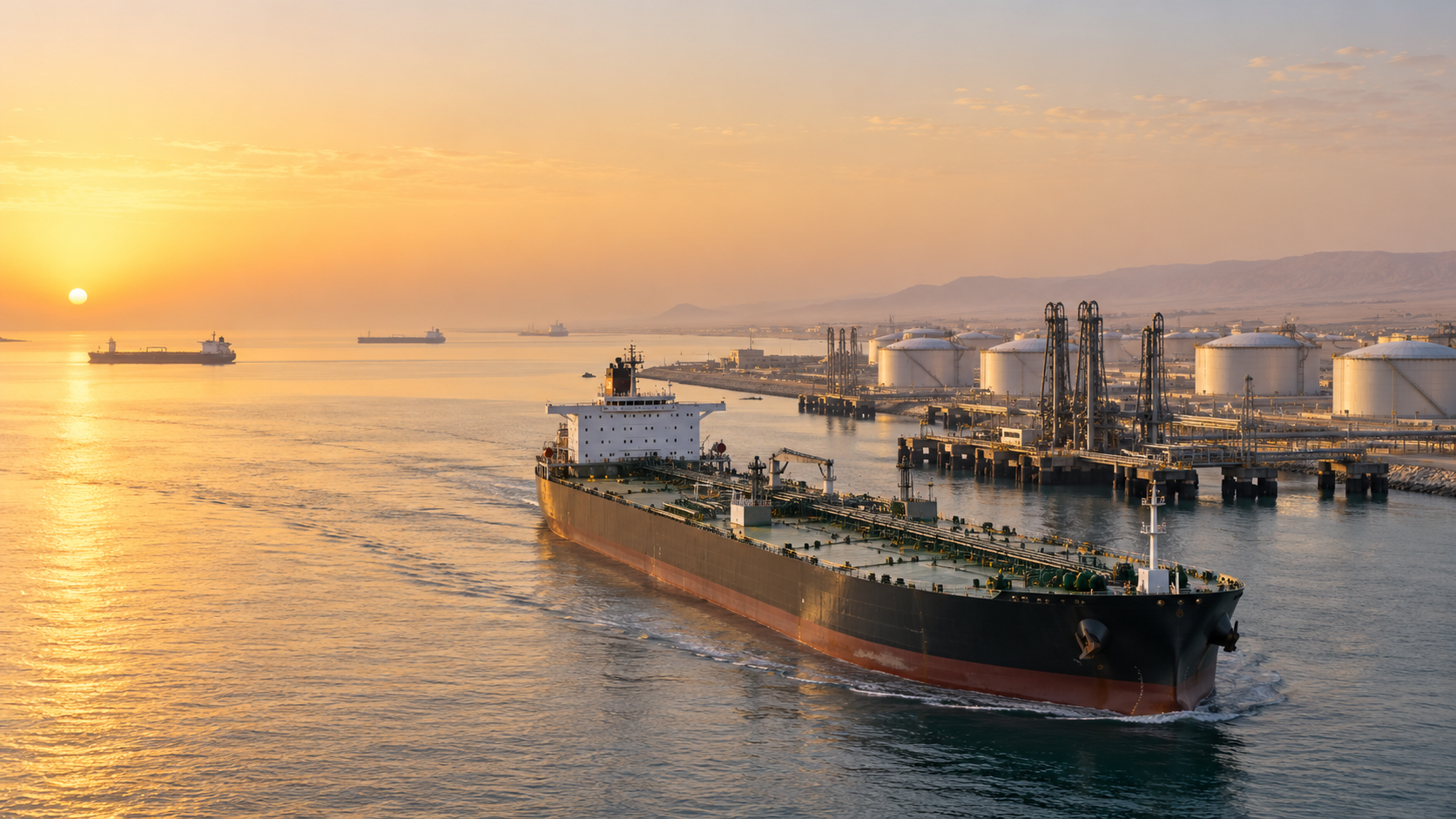
Jackdaw is a proposed gas development in the UK North Sea. The project has been described as long delayed and has attracted attention because its approval places domestic gas production at the center of the UK’s climate-policy debate.
Reuters reported that the UK approved the Jackdaw field on energy-security grounds. Other reports characterized the decision as a setback for climate campaigners because it would allow development to proceed despite objections concerning its climate impact.
The available summaries do not provide enough verified information about Jackdaw’s operator, ownership structure, production capacity, investment value, or construction schedule. Those details should not be treated as confirmed without additional sources.
Why the UK Approved Jackdaw
Energy security
The government’s reported justification was energy security. The argument is that producing gas in UK waters could improve national resilience by maintaining domestic supply and reducing exposure to international disruptions.
Supporters may point to several potential benefits:
- Continued access to domestic gas production.
- Greater resilience during supply interruptions.
- Support for existing North Sea infrastructure.
- Reduced dependence on imported gas for part of the UK’s supply.
- Continued employment and industrial activity linked to offshore energy.
These arguments became more prominent after energy-market disruptions caused sharp price increases across Europe. Governments have since faced pressure to secure supplies while accelerating the shift to lower-carbon energy.
Domestic production, however, does not automatically reduce household bills. Gas is traded in interconnected markets, and wholesale prices are influenced by international supply, demand, storage levels, geopolitical events, and weather. A new UK field could contribute to supply resilience without directly determining the price paid by households.
Gas remains part of the energy system
The approval also reflects gas’s continuing role in the UK energy system. Gas-fired power stations can provide electricity when renewable generation is lower, particularly during periods of weak wind or limited solar output. Gas is also used for heating and industrial processes.
Government and industry supporters may argue that the transition away from fossil fuels will take time. On this view, domestic gas production can continue while the UK expands renewable generation, improves energy efficiency, upgrades the electricity grid, and develops storage capacity.
Approving Jackdaw would not remove the need to cut gas consumption or meet climate targets. It would maintain a domestic source of a fuel that remains embedded in the energy system.
Why Environmental Groups Opposed Jackdaw
Climate emissions
The principal objection is that extracting and burning the gas would create additional greenhouse-gas emissions. Campaigners argue that new fossil-fuel developments could extend dependence on hydrocarbons while the UK is expected to reduce emissions.
A full climate assessment may need to consider:
- Emissions from drilling and production.
- Methane leakage during extraction and processing.
- Emissions from transporting the gas.
- Emissions from processing and distribution.
- Carbon dioxide released when customers burn the gas.
- Cumulative emissions from related offshore infrastructure and other fields.
Reports from The Guardian and Engineering and Technology Magazine described the approval as conflicting with, or placing pressure on, the UK’s climate commitments. The legal dispute may therefore depend on whether the government adequately assessed downstream emissions rather than considering only emissions from extraction.
The supplied summaries do not identify the precise emissions test applied by the court. That point requires confirmation from the full judgment.
Fossil-fuel infrastructure
Campaigners also object to the broader effects of new offshore drilling. Their arguments include concerns that new fields could:
- Extend investment in fossil-fuel infrastructure.
- Delay investment in renewable energy.
- Conflict with national carbon budgets.
- Create long-term infrastructure commitments.
- Weaken confidence in the UK’s climate strategy.
These are policy arguments, not established findings from the available summaries. Their legal significance depends on the statutory framework and the court’s reasoning.
The Court Challenge
The supplied material describes a contradiction: the government approved Jackdaw, but a court later blocked or challenged the project over environmental concerns. The word “blocked” can describe several different legal outcomes, each with different consequences.
A court might:
- Suspend construction while litigation continues.
- Quash the government’s approval.
- Require a new environmental assessment.
- Return the decision to ministers for reconsideration.
- Impose conditions before development can proceed.
- Permit an appeal that temporarily delays the project.
These outcomes are not interchangeable. A quashed approval differs from a temporary suspension, and both differ from a requirement to provide additional information.
The available summaries do not identify the court, parties, judgment date, or exact remedy. The project’s current status should therefore be described cautiously until those details are verified.
Possible legal issues
The case may involve questions about whether the government:
- Considered the project’s complete climate effects.
- Followed applicable environmental-assessment rules.
- Properly addressed downstream emissions.
- Considered cumulative effects from offshore development.
- Gave sufficient reasons for its decision.
- Balanced energy-security considerations lawfully.
- Applied the correct statutory tests.
These are possible areas of legal analysis, not confirmed holdings. Only the judgment can establish what the court decided and why.
Possible next steps
Several outcomes remain possible:
- An appeal: The government or developer may challenge the ruling.
- A revised assessment: Officials may gather further evidence on emissions and environmental effects.
- A fresh approval: Ministers or regulators may reconsider the project.
- Additional conditions: The field may proceed under revised environmental controls.
- Continued suspension: Development may remain paused while litigation continues.
A court block does not necessarily mean permanent cancellation. The final result depends on the judgment, any appeal, and the government’s response.
Government Approval and Court Oversight
Ministers and regulators set energy policy and assess projects under the law. Courts perform a different function: they review whether the decision-making process complied with legal requirements.
A court does not necessarily replace the government’s energy policy with its own. It may accept that ministers can prioritize energy security while finding that the approval process was legally inadequate. In that situation, the court can require reconsideration without deciding that the gas field must never be developed.
Environmental review is central because it provides a framework for assessing potential harm before construction begins. Depending on the applicable rules, this may include greenhouse-gas emissions, marine ecosystems, seabed disturbance, infrastructure effects, and cumulative impacts from multiple offshore projects.
The precise requirements depend on the relevant UK legislation, regulations, permits, and court precedent. The supplied sources do not provide those documents.
Reactions to the Decision
Climate campaigners viewed the approval as a setback because it appeared to authorize new gas production despite concerns about climate emissions. Their legal challenge moved the dispute beyond public criticism into formal scrutiny of the government’s decision.
Government and energy-security supporters emphasize that gas remains important to the UK’s energy system. They argue that domestic production could improve resilience, preserve industrial capability, and support supply during the transition to cleaner energy. These are policy claims rather than guaranteed outcomes.
A separate report said former US President Donald Trump praised the Labour government’s decision to approve new North Sea drilling. That reaction added international political interest but does not establish Jackdaw’s legal status or affect the court’s role. The decisive questions remain the approval’s legal basis, the environmental assessment, and the outcome of any appeal or reconsideration.
What the Case Means for UK Energy Strategy
The Jackdaw dispute reflects a central policy tension: the UK wants reliable energy supplies while reducing greenhouse-gas emissions.
Energy security can encourage governments to maintain domestic production, while climate policy can encourage them to restrict new fossil-fuel development. Both priorities may operate at the same time, but individual projects expose the limits of that balance.
The debate concerns not only whether the UK needs gas today, but also the expected duration of demand, the emissions associated with new production, and whether investment should instead support renewable energy, grid capacity, storage, and efficiency.
Additional North Sea production may support supply resilience, but it does not guarantee lower bills. UK consumers remain exposed to wider wholesale markets, and domestic production is only one factor affecting prices.
The case also raises questions about investment in:
- Offshore wind.
- Solar power.
- Battery and long-duration storage.
- Electricity-grid upgrades.
- Building insulation.
- Heat pumps.
- Industrial energy efficiency.
- Measures that reduce gas demand.
Potential Effects on Future North Sea Projects
The case could influence how future oil and gas approvals address climate effects. Developers and regulators may face pressure to provide more detailed analysis of production emissions, downstream combustion, methane leakage, and cumulative impacts.
That could lengthen approval processes and create additional opportunities for legal challenges. Legal action can also affect project schedules, financing, contracting, and investment decisions.
The wider effect depends on the final judgment and whether the court establishes a rule applicable to future projects. No reliable estimate of financial losses can be made from the supplied summaries.
The dispute may intensify debate over whether the UK should approve additional gas fields, limit new exploration, prioritize existing fields, apply stricter emissions conditions, link approvals more closely to climate targets, or increase investment in alternatives to gas.
Facts Requiring Verification
Before publication, the following points should be checked against primary sources:
- The identity and official role of “Burnham” in the original headline.
- Whether the project is officially called the Jackdaw gas field.
- The approval date and legal authority.
- The responsible minister, regulator, or department.
- The court that issued the ruling.
- The date and wording of the judgment.
- Whether development was suspended or approval was quashed.
- Whether the court ordered a new environmental assessment.
- Whether an appeal is pending.
- The specific climate and environmental issues addressed.
- The project’s operator and ownership.
- Expected production and development timetable.
- Statements from the government, developer, and campaign groups.
The supplied summaries support the broad account that the UK approved Jackdaw on energy-security grounds and that environmental concerns led to legal action. They do not independently establish every detail of the project’s current legal status.
Conclusion
The Jackdaw North Sea gas field has become a test of how the UK balances energy security with climate commitments. Government approval reflects the argument that domestic gas production can support supply resilience during the energy transition. Environmental opposition focuses on the emissions created by developing and burning new fossil fuels.
The reported court blockage adds a crucial legal question: whether the government assessed the project’s environmental and climate effects as required by law. The answer could affect Jackdaw’s future and shape the approval process for other North Sea developments.
The next decisive event will be a confirmed court judgment, any appeal, a revised environmental assessment, or a fresh government decision. Until then, the project should be described as approved but legally contested, not permanently cancelled.
FAQ
What is the Jackdaw gas field?
Jackdaw is a proposed gas development in the UK North Sea. Available reports describe it as a long-delayed project that received government approval but later faced legal opposition over environmental and climate concerns.
Why did the UK approve Jackdaw?
The reported justification was energy security. Supporters argue that domestic gas production could strengthen supply resilience and reduce reliance on imports. It would not necessarily determine household energy prices because UK gas prices are influenced by international markets.
Why did a court challenge the project?
The supplied summaries attribute the legal challenge to environmental concerns, especially the project’s potential climate impact. The exact legal reasoning and remedy require confirmation from the full judgment.
Does the ruling permanently cancel Jackdaw?
Not necessarily. A court may suspend development, quash an approval, or require a new environmental assessment. The project could proceed after an appeal or revised decision, depending on the judgment.
How could the case affect future North Sea drilling?
It could require more detailed climate analysis in future approvals, increase legal scrutiny, extend development timelines, and raise regulatory uncertainty for offshore oil and gas projects.
Is new North Sea gas compatible with the UK’s climate commitments?
That is the central policy dispute. The government and its supporters emphasize energy security, while opponents argue that new fossil-fuel production conflicts with emissions-reduction goals. The legal answer depends on the applicable rules and the court’s interpretation of them.