How Trust Helps Clinics Protect Patients During Measles Outbreaks
How Trust Helps Clinics Protect Patients During Measles Outbreaks
When measles appears in a community, the response involves more than case counts, vaccination rates and exposure notices. It also includes worried parents, pregnant patients, people uncertain about their vaccination history and families trying to protect vulnerable relatives.
A community clinic must respond to the outbreak while continuing prenatal care, chronic-disease treatment, pediatric services and care for people with weakened immune systems. Staff must identify possible exposures, provide accurate information and arrange safe care without allowing potentially infectious patients to expose others.
Medical guidance is essential, but it does not always determine what a patient does next. Trust can make the difference between someone ignoring a rash and calling ahead, or between an exposed person entering a crowded waiting room and following instructions to stay away until the clinic is ready.
That trust develops through years of consistent care: respectful reception staff, responsive nurses, clinicians who explain rather than dismiss, and outreach workers who understand the community. During an outbreak, these relationships become a public-health tool.
Why measles creates an urgent challenge
Measles is one of the most contagious infectious diseases. It spreads when an infected person coughs or sneezes, and the virus can remain infectious in the air or on surfaces for a limited period after the person leaves, according to the Centers for Disease Control and Prevention (CDC) Source 1.
A person can spread measles before the rash becomes obvious. Symptoms commonly begin with fever, cough, a runny nose and red or watery eyes. A rash usually appears several days later, beginning on the face and spreading downward Source 1.
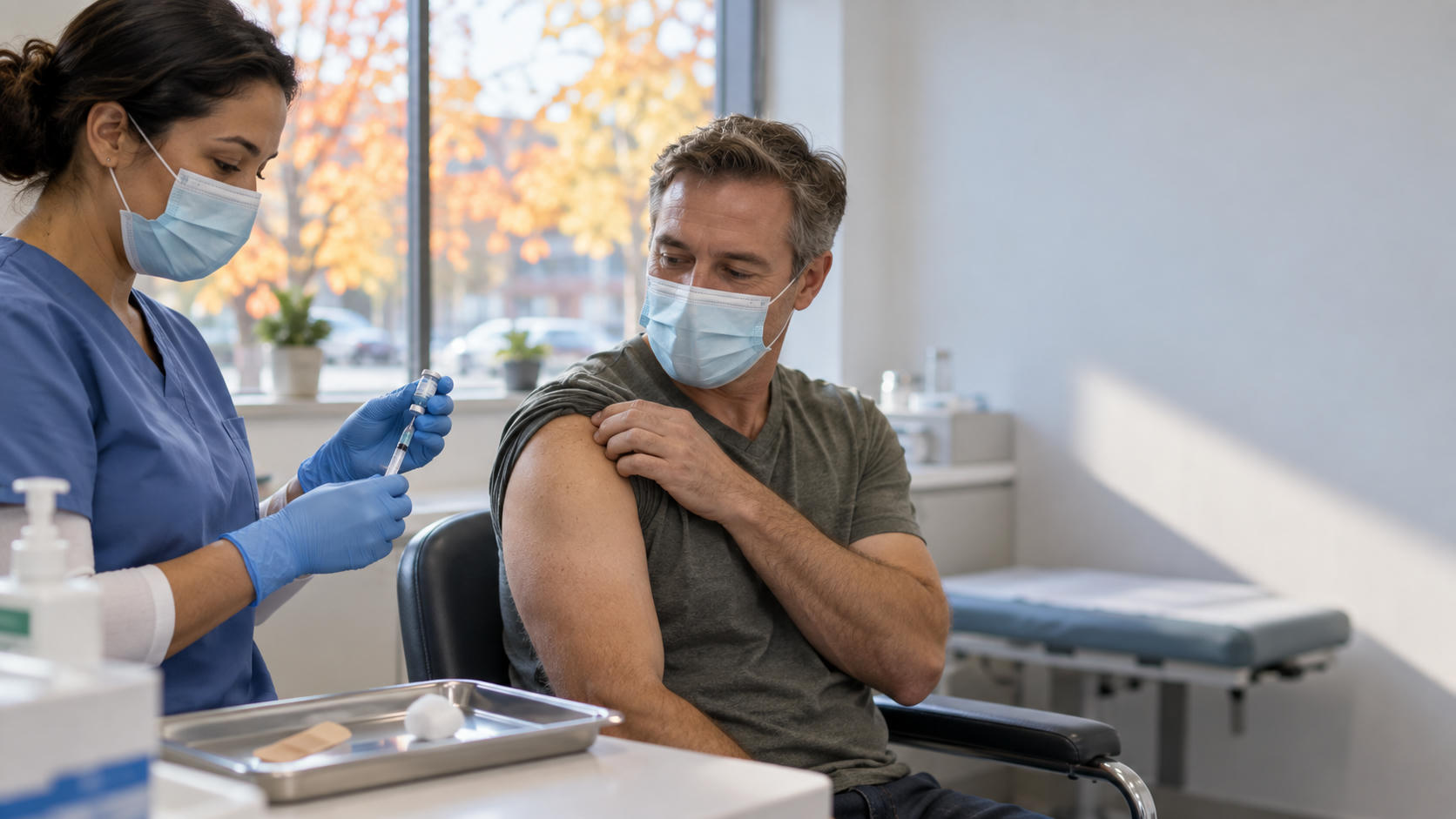
Vaccination provides the strongest protection. The measles, mumps and rubella vaccine is highly effective, and two doses provide better protection than one. Recommendations vary according to age, pregnancy, immune status, exposure history and local public-health guidance Source 2.
After a possible exposure, public-health officials may recommend vaccination, monitoring, testing, isolation or other measures. The appropriate response is individual and time-sensitive. Anyone with possible exposure or symptoms should call a health professional or local health department before arriving in person.
Advance notice allows staff to assess the situation, arrange a safer entrance or appointment and reduce contact with vulnerable patients.
Who faces greater risk?
Measles can cause serious complications at any age. Risk varies according to age, vaccination status, immune function, pregnancy and underlying health conditions.
Infants who are too young for routine vaccination depend heavily on protection from those around them. Pregnant people may face complications and need individualized medical advice. People with weakened immune systems may respond differently to infection. Young children and people with certain chronic conditions may also face greater risks.
The World Health Organization lists pneumonia, encephalitis and severe dehydration among possible measles complications Source 3.
Community protection has a practical purpose: when more people are protected, the virus has fewer opportunities to reach people who cannot be vaccinated or may not be fully protected.
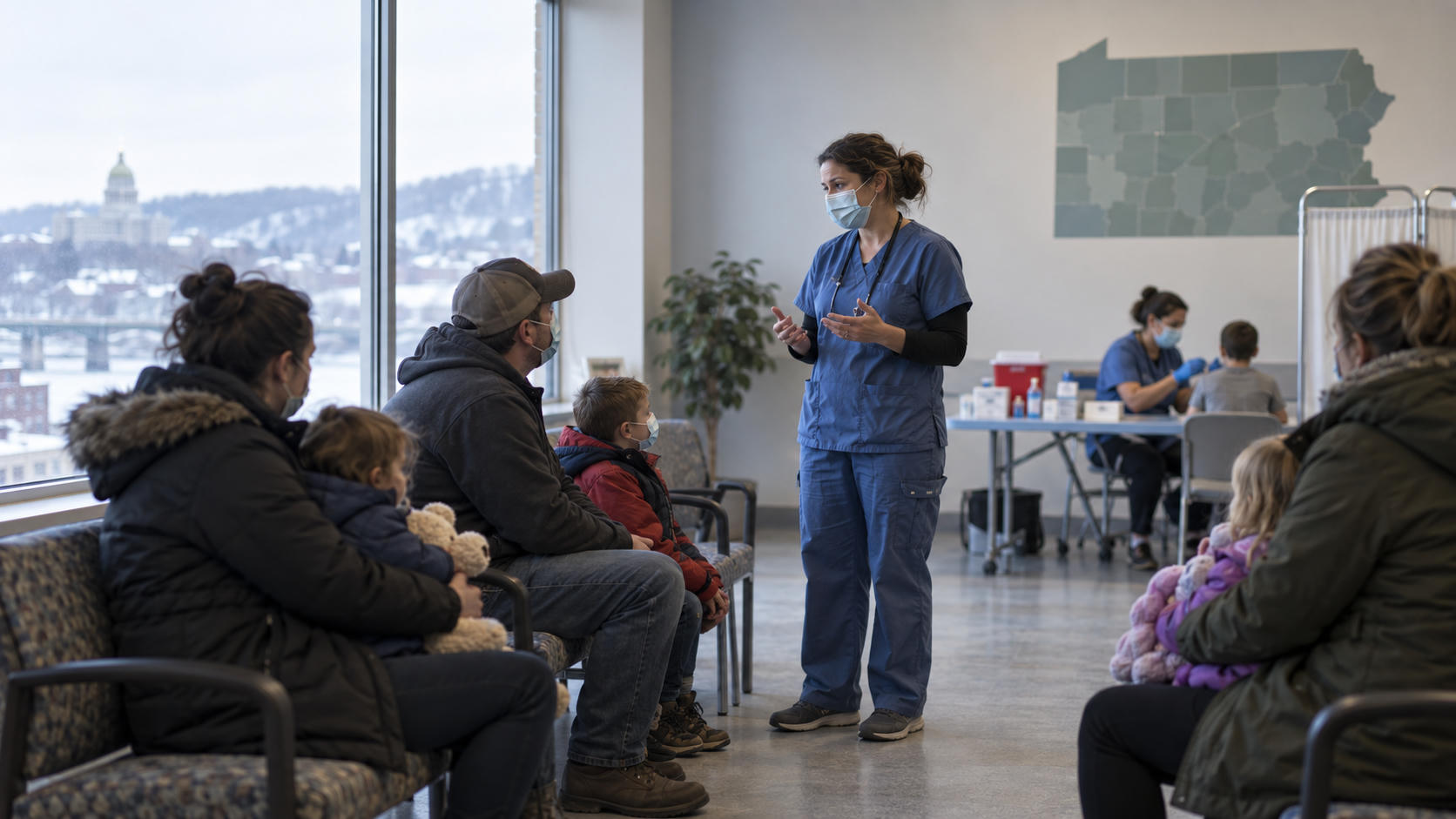
For clinics, protecting vulnerable patients involves more than offering vaccines. It includes identifying symptoms promptly, separating potentially infectious patients, maintaining essential appointments and communicating clearly with people who are frightened or uncertain.
Trust is built before an outbreak
A clinic cannot create credibility during a single emergency. Patients judge its advice through previous experiences.
Did staff explain treatment in a language the patient understood? Did someone return a call? Was a concern taken seriously? Did the clinic help with transportation or scheduling? Did patients feel respected regardless of income, immigration status, disability, race, religion or vaccination history?
These experiences shape future decisions.
Trust does not mean automatic agreement. A patient may still have questions about the measles vaccine, but trust makes it more likely that the patient will ask those questions in a setting where qualified staff can respond.
People may have encountered conflicting information online, experienced difficult medical care or worried about side effects. A respectful conversation can keep them connected to care. A dismissive response can end the conversation.
Listening is part of clinical work. Before correcting misinformation, staff should understand what the patient believes, fears and needs. The concern may be factual, practical or emotional. Each type requires a different response.
Listening before correcting
Effective communication begins with questions:
- What have you heard about measles?
- What worries you most?
- Have you or someone in your household been exposed?
- Do you know whether you received the recommended vaccine doses?
- Are there medical conditions your clinician should consider?
These questions help distinguish misinformation from uncertainty and uncertainty from access problems.
A patient without transportation needs practical support, not another fact sheet. Someone who cannot find a vaccination record may need help checking an immunization registry or contacting a previous provider. A patient who experienced discrimination may first need evidence that this encounter will be different.
The CDC recommends listening to vaccine concerns and providing clear, accurate information about vaccine benefits and risks Source 4.
Staff should explain what is known, what remains uncertain and when an individual medical assessment is necessary. They should distinguish expected short-term reactions from warning signs that require medical attention. They should not promise that a vaccine carries no risk or present rare reactions as equivalent to the risks of measles infection.
The goal is not to win an argument. It is to help patients make informed decisions and remain connected to care.
Language access makes care safer
Patients cannot provide informed consent if they do not understand essential information. Interpreters, translated materials and culturally appropriate outreach can help people understand vaccine eligibility, symptoms, exposure instructions and follow-up plans.
Family members should not automatically be expected to interpret complex medical information, particularly when privacy or clinical accuracy is important. Patients should ask about interpretation options when scheduling care.
Communication also involves format. Some patients respond to phone calls; others are more likely to see a text message or speak with a community health worker. Some need a printed vaccination record, while others need help using an online portal. The strongest approach is the one that reaches patients reliably.
Reassurance without minimizing risk
Measles messaging can fail in two ways. Saying there is nothing to worry about may sound dismissive, while relying only on alarming language may cause people to avoid care or hide possible exposure.
A useful message includes the risk, the evidence and the next step:
Measles spreads easily. Vaccination is highly effective. If you have symptoms or believe you were exposed, call a health professional or local health department before going in person.
Patients may need advice about vaccine safety, timing, effectiveness and eligibility. The answer depends on age, vaccination history, pregnancy, immune status and exposure circumstances. Some people need routine vaccination; others need urgent advice after a recent exposure. Some require evaluation before receiving certain vaccines.
Patients should not rely on general online recommendations when their medical history may change the answer. A patient who initially declines vaccination should not be treated as permanently unreachable. Follow-up calls, return appointments, reminders and community outreach can create another opportunity for care.
Access determines whether advice becomes action
Information cannot solve a transportation problem. Appointments may also be difficult for people who lack child care, cannot leave work, have limited internet access, face documentation concerns or cannot afford travel.
Clinics can address some barriers through extended hours, coordinated referrals, reminder systems, transportation support, walk-in services and partnerships with local organizations. Available services must be verified locally; clinics should not promise what they cannot provide.
Schools, faith communities, housing groups, immigrant and refugee organizations, social-service providers and workplaces may already have relationships with people who rarely use the health system. Information is more likely to be heard when it comes through a trusted person or institution.
Safer care for people who may be infectious
Anyone who may have measles should contact a health professional or local health department before arriving at a clinic. The caller should describe symptoms, possible exposure and vaccination history as accurately as possible.
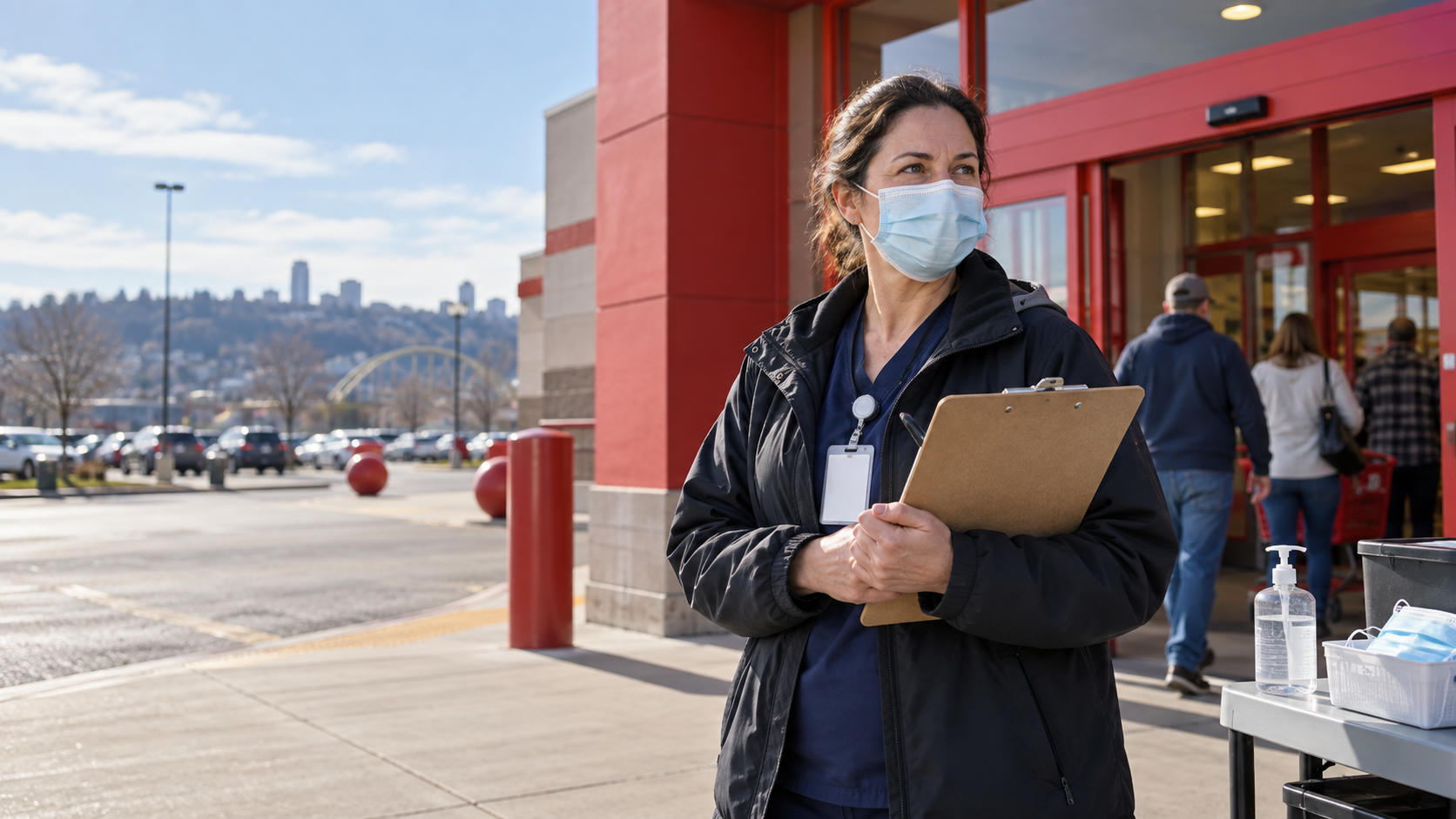
The clinic may provide instructions about where to enter, when to arrive, whether to wait outside or in a vehicle and how to limit contact with others. Patients should follow local guidance and use recommended protection when advised.
Infection-control measures may include telephone triage, scheduled appointments, patient separation, ventilation, applicable masking policies, cleaning and staff training. No single measure eliminates transmission. Procedures must be clear enough for anxious or unwell patients to follow.
Staff also need escalation procedures for suspected cases, public-health notification and care for people who were exposed.
Maintaining routine care during an outbreak
An outbreak does not pause diabetes treatment, prenatal visits, childhood care or cancer treatment. Clinics must respond to vaccination demand and exposure questions without allowing essential services to collapse.
Missed care can create additional risks. Patients with chronic illness may run out of medication, pregnant patients may miss time-sensitive care and children may fall behind on routine immunizations.
Clinics should explain which appointments can proceed, which services require rescheduling and how patients should seek advice if symptoms develop. Instructions should remain consistent across messages, websites and staff conversations, subject to public-health updates.
The limits of trust
Trust can make accurate guidance more effective, but it cannot replace vaccines, trained staff, protective equipment, transportation, laboratory capacity or timely public-health communication.
A clinic may identify a suspected case but depend on a health department for investigation. It may recommend vaccination but face supply limits. It may offer an appointment but be unable to overcome a lack of transportation or paid leave. These constraints should be stated openly.
Useful evaluation requires defined measures, such as completed appointments, follow-up rates, time from exposure notification to clinical contact, language-access use and patient-reported trust. Vaccination numbers matter, but a patient who reports exposure promptly and avoids exposing others has also contributed to safer care.
What other clinics can learn
The central lesson is simple: build relationships before a crisis.
Clinics can maintain consistent staffing, follow up as promised, create regular opportunities for questions, train staff to correct false claims without humiliation, provide plain-language materials and verify medical information before distributing it.
Possible measures include:
- Completion of recommended follow-up.
- Time between exposure notification and clinical contact.
- Missed-appointment rates.
- Use of interpretation services.
- Patient-reported confidence in clinic information.
- Patients reached through community partnerships.
These measures do not replace clinical outcomes, but they show whether communication and access systems are working. Clinics should also identify reliable sources, including local health departments, national public-health agencies and licensed clinicians. Claims without a date, source or medical authority deserve caution.
Conclusion: Trust turns guidance into action
During a measles outbreak, clinics must explain risk without creating panic, answer vaccine questions without contempt, protect potentially infectious patients and preserve access for everyone else.
Years of respectful care create the conditions for those conversations. Trust does not guarantee immediate agreement, but it makes patients more likely to call, disclose possible exposure, follow safety instructions, return for care and keep asking questions.
Anyone who thinks they may have measles should contact a health professional or local health department before visiting in person. People concerned about vaccination, exposure or symptoms should seek individualized advice from a qualified clinician and follow current local guidance.
Frequently Asked Questions
What should someone do if they think they have measles?
Contact a health professional or local health department before visiting in person. Describe symptoms, possible exposure and vaccination history so the facility can protect patients and staff.
How does measles spread?
Measles spreads through respiratory particles released by an infected person. The virus can remain infectious in shared air for a period after the person leaves, according to the CDC Source 1.
Why does trust matter during a measles outbreak?
Trust makes patients more likely to ask questions, report exposure, follow instructions and return for care. It supports vaccination, infection control and public-health coordination but does not replace them.
Who may face greater health risks?
Infants, pregnant people, people with weakened immune systems and others identified by health authorities may face increased risks. Individual risk depends on medical history, age, vaccination status and exposure.
Can a clinic protect vulnerable patients from measles?
A clinic can reduce risk through triage, patient separation, vaccination services, rapid communication and continuity of care. No single clinic can eliminate community transmission.
Where should readers find reliable information?
Use local and national public-health agencies, licensed clinicians and established medical institutions. Be cautious with claims that lack a date, source or medical authority.