Colts Reportedly Trade Quenton Nelson to Seahawks
Colts Reportedly Trade Quenton Nelson to Seahawks
The Indianapolis Colts have reportedly agreed to trade guard Quenton Nelson to the Seattle Seahawks in one of the most significant reported offensive-line moves of the trade deadline period.
ESPN identified Nelson as a Pro Bowl guard, while CBS Sports reported that Seattle sent two draft picks to Indianapolis. The available reports do not confirm the pick rounds, draft years, conditions, contract responsibilities, physical status, or Nelson’s immediate position assignment.
Update note: The supplied reports identify October 27, 2026, as the publication date. That date and the complete trade terms should be verified through official team or league announcements before publication.
What Is Known About the Trade?
Multiple reports identify Seattle as the acquiring team and Indianapolis as the seller. The reported facts are:
- Player: Quenton Nelson
- Position: Guard
- Former team: Indianapolis Colts
- New team: Seattle Seahawks
- Reported return: Two draft picks
- Reported date: October 27, 2026, according to the supplied reports
CBS Sports reported that Seattle sent two draft picks to Indianapolis. The available summaries do not identify the rounds, draft years, conditional language, players, or contract adjustments involved.
The most accurate description is therefore: The Seahawks reportedly sent two draft picks to the Colts for Quenton Nelson.
The trade’s value will depend heavily on the confirmed compensation. Two early selections would give Indianapolis substantial roster-building capital, while two late selections would represent a more limited return. Conditional picks could also change in value based on Nelson’s playing time, performance, or Seattle’s future results.
Why Seattle Pursued Nelson
Proven Interior Protection
A high-level guard can affect nearly every part of an offense. Nelson could help Seattle with:
- Pocket stability
- Protection against interior pass rushers
- Run blocking
- Short-yardage execution
- Communication against stunts and blitzes
Interior pressure often reaches the quarterback faster than pressure from the edge. A reliable guard can help prevent immediate penetration through the A-gaps, giving the quarterback more time to read the defense and deliver the ball.
Guard play also affects the running game. Guards work with centers and tackles on combination blocks, double teams, and second-level assignments. Better coordination can create more consistent running lanes, particularly in short-yardage and goal-line situations.
A Potential Upgrade to Seattle’s Offensive-Line Floor
The Seahawks may view Nelson as a stabilizing presence. His arrival would not guarantee improvements in sacks, rushing yards, or scoring, but it could reduce volatility in the interior.
Potential benefits include:
- More consistent protection calls
- Better recognition of defensive movement
- Stronger communication against pressure packages
- More reliable gap and zone blocking
- Greater physicality at the line of scrimmage
Nelson’s impact will depend on his health, familiarity with Seattle’s scheme, chemistry with the center and tackle, and the quality of the surrounding line. A midseason acquisition also creates an adjustment period as he learns new terminology, protections, and quarterback-center-guard communication.
An Investment in Immediate Contention
Trading draft picks for an established guard generally signals a focus on immediate improvement rather than a long development cycle. Seattle may be seeking to strengthen the offense for a playoff push, protect its quarterback, improve high-leverage performance, stabilize the running game, and add experience to the offensive line.
The supplied reports do not establish Seattle’s record, playoff position, or internal motivation. Those details should not be presented as confirmed without additional reporting. The broader strategic message is clearer: Seattle is reportedly willing to spend future assets to improve its current offensive infrastructure.
Why Indianapolis Might Trade Nelson
Future Draft Capital
The reported two-pick return gives Indianapolis additional flexibility. The Colts could use the selections to replace Nelson, address another roster need, trade up, or accumulate more assets.
Possible uses include:
- Selecting a young offensive lineman
- Adding defensive talent
- Addressing quarterback or skill-position depth
- Moving up in the draft
- Spreading resources across multiple roster needs
The value of that flexibility depends on the confirmed rounds and conditions. The Colts have not, in the supplied reports, explained how they plan to use the compensation.
A Possible Change in Roster Timeline
Trading a recognized veteran can indicate a shift in roster planning, but the move alone does not prove that Indianapolis is rebuilding. Possible explanations include a desire for long-term assets, contract considerations, an effort to maximize Nelson’s trade value, or a preference for younger players.
These possibilities remain speculative. The available summaries do not provide Nelson’s contract status, Indianapolis’ salary-cap considerations, or an official explanation from the Colts.
Replacing a Major Interior Presence
The immediate football consequence is straightforward: Indianapolis loses an established guard and must rebuild its interior combination. That could affect protection chemistry, run-game assignments, communication, short-yardage execution, and quarterback security.
The Colts could promote an existing reserve, move another starter to guard, sign a veteran free agent, or use a future draft pick. The replacement decision will shape the short-term evaluation of the trade.
Nelson’s Role in Seattle
Nelson plays guard, a position responsible for protecting the quarterback from interior pressure and creating running lanes. His responsibilities may include pass protection, blocking defensive tackles and linebackers, executing combination blocks, communicating with the center and tackle, adjusting to blitzes, and creating movement in the run game.
The available reports do not specify whether Nelson will play left guard or right guard for Seattle. That assignment should be confirmed by the Seahawks.
A midseason trade requires a quick transition to a new system. Nelson must learn Seattle’s terminology, protection rules, cadence procedures, and blocking techniques. His experience may shorten the learning curve, but it cannot eliminate the adjustment period.
Past Pro Bowl or All-Pro recognition establishes Nelson’s career standing but does not guarantee future production. His current value should be evaluated through availability, offensive snaps, pressures allowed, penalties, run-blocking effectiveness, and performance against interior rushers. No injury claims should be made without current team or league confirmation.
Potential Impact on Seattle
Improved interior blocking could help Seattle create rushing lanes, reduce quarterback pressure, improve third-down execution, strengthen red-zone blocking, and increase short-yardage efficiency. These are potential effects, not confirmed outcomes.
Interior protection can also improve quarterback timing. A guard who prevents immediate penetration may give routes more time to develop and create a more stable pocket. However, protection results depend on the full offensive line, the scheme, and the opponent.
An established veteran may also add experience to the position group. Nelson could help younger linemen with preparation, communication, and recognition of defensive pressures, although that influence should not be described as a formal leadership role without confirmation from Seattle.
Potential Impact on Indianapolis
Losing a starting guard during the season can disrupt the Colts’ offensive structure. The replacement must develop chemistry with the center and tackle while learning the team’s existing protection and run concepts.
Potential challenges include:
- Rebuilding protection calls
- Changing blocking combinations
- Replacing veteran communication
- Adjusting run-game assignments
- Managing new responsibilities under deadline pressure
The size of the disruption will depend on Indianapolis’ depth and the readiness of the replacement.
Important questions for the Colts include:
- Who replaces Nelson in the starting lineup?
- Will Indianapolis sign another veteran?
- Will the team change its blocking scheme?
- How will the reported draft picks be used?
- Does the trade signal a broader change in roster planning?
How to Evaluate the Trade
Seahawks Perspective
Seattle’s potential benefits include immediate help at guard, greater offensive-line stability, more dependable interior protection, better support for the running game, and additional veteran experience.
The risks include surrendering two draft picks, installing a new player during the season, and managing any health, performance, or contract concerns. The trade should be judged by whether Nelson improves the offense and whether the compensation limits Seattle’s future flexibility.
Colts Perspective
Indianapolis’ potential benefits include two reported draft assets, greater roster-building flexibility, a possible reset of its offensive-line timeline, and potential financial flexibility if later confirmed.
The risks include weaker interior protection, reduced veteran communication, declining run-blocking performance, and pressure to turn the selections into productive players. The Colts’ trade grade cannot be finalized until the exact selections and replacement plan are known.
What to Watch Next
Seattle’s First Games With Nelson
Track Nelson’s starting position, offensive snap count, pressure and sack rates, interior rushing efficiency, penalties, communication errors, and third-down and short-yardage performance.
Multiple games will provide a more useful comparison than a one-game sample. Opponent quality, injuries, and overall offensive context should also be considered.
Indianapolis’ Replacement Plan
Monitor starting-lineup announcements, practice participation, free-agent signings, position changes, run-concept adjustments, and offensive performance after Nelson’s departure.
Official Trade Details
Before final publication, confirm:
- Exact draft-pick compensation
- Draft years and rounds
- Conditional terms
- Contract responsibilities
- Physical and transaction status
- Official statements from the Seahawks and Colts
Conclusion
The Seahawks have reportedly acquired Quenton Nelson from the Colts in a trade that could reshape both teams’ offensive-line plans.
Seattle is adding an established guard for immediate help, while Indianapolis is reportedly receiving two draft picks and greater future flexibility. The Seahawks are betting that Nelson can improve interior protection and offensive consistency. The Colts are betting that the draft assets will provide greater long-term value.
The central unresolved issue is the exact value of the two draft picks. Nelson’s role, health, snap count, and performance in Seattle will also determine whether the move delivers the expected impact.
The story should be updated when the teams announce the complete trade terms.
Frequently Asked Questions
Who did the Seahawks acquire from the Colts?
The Seahawks reportedly acquired guard Quenton Nelson from the Indianapolis Colts. ESPN, CBS Sports, and Yahoo Sports are among the outlets cited in the supplied reports.
What did Seattle give up for Nelson?
CBS Sports reported that Seattle sent two draft picks to Indianapolis. The available summary does not identify the rounds, years, or conditions attached to those selections.
What position does Quenton Nelson play?
Nelson plays guard on the offensive line. His responsibilities include interior pass protection, run blocking, combination blocks, and communication with the center and tackle.
Why did Seattle trade for Nelson?
The move gives Seattle an experienced interior offensive lineman who could improve pass protection, run blocking, and offensive-line stability. The available reports do not include a direct statement from Seattle explaining its specific motivation.
Why did the Colts trade Nelson?
The Colts may be seeking future draft capital or reassessing their roster timeline. The available reports do not provide Indianapolis’ official explanation, so the team’s exact reasoning remains unconfirmed.
When was the trade reported?
The supplied CBS Sports and Heavy.com summaries identify October 27, 2026, as the publication date. That date and the final trade terms should be verified through official team or league sources.
Artikel Terkait
-
 Williamson's Walk-Off Single Keeps Rays Alive
-
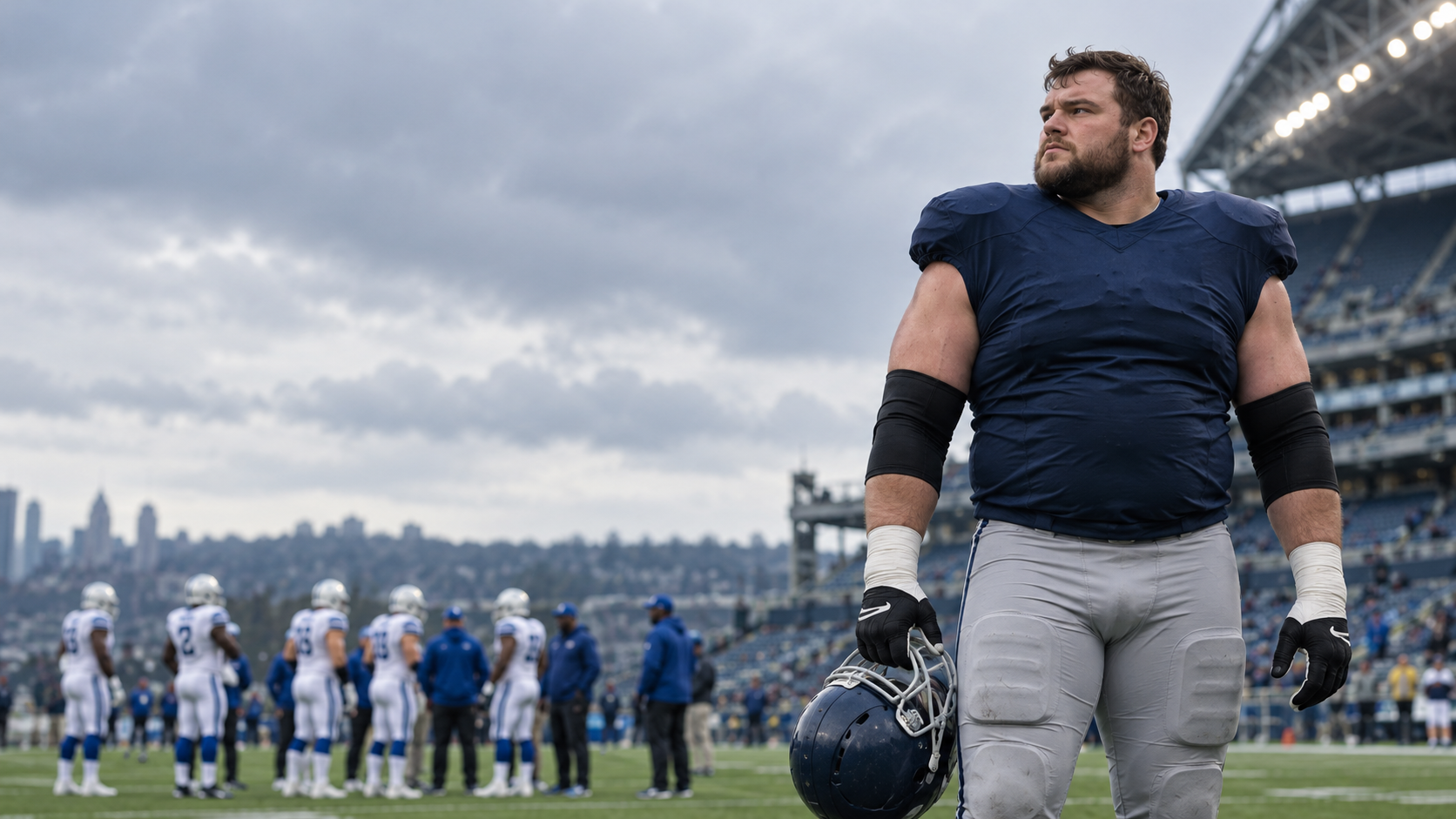 Why the Seahawks Traded for Quenton Nelson
-
 Anthony Edwards Knee Surgery: Timberwolves Face Two-Month Absence
-
 Fantasy Football Week 8 Waiver Wire: Coleman, White
-
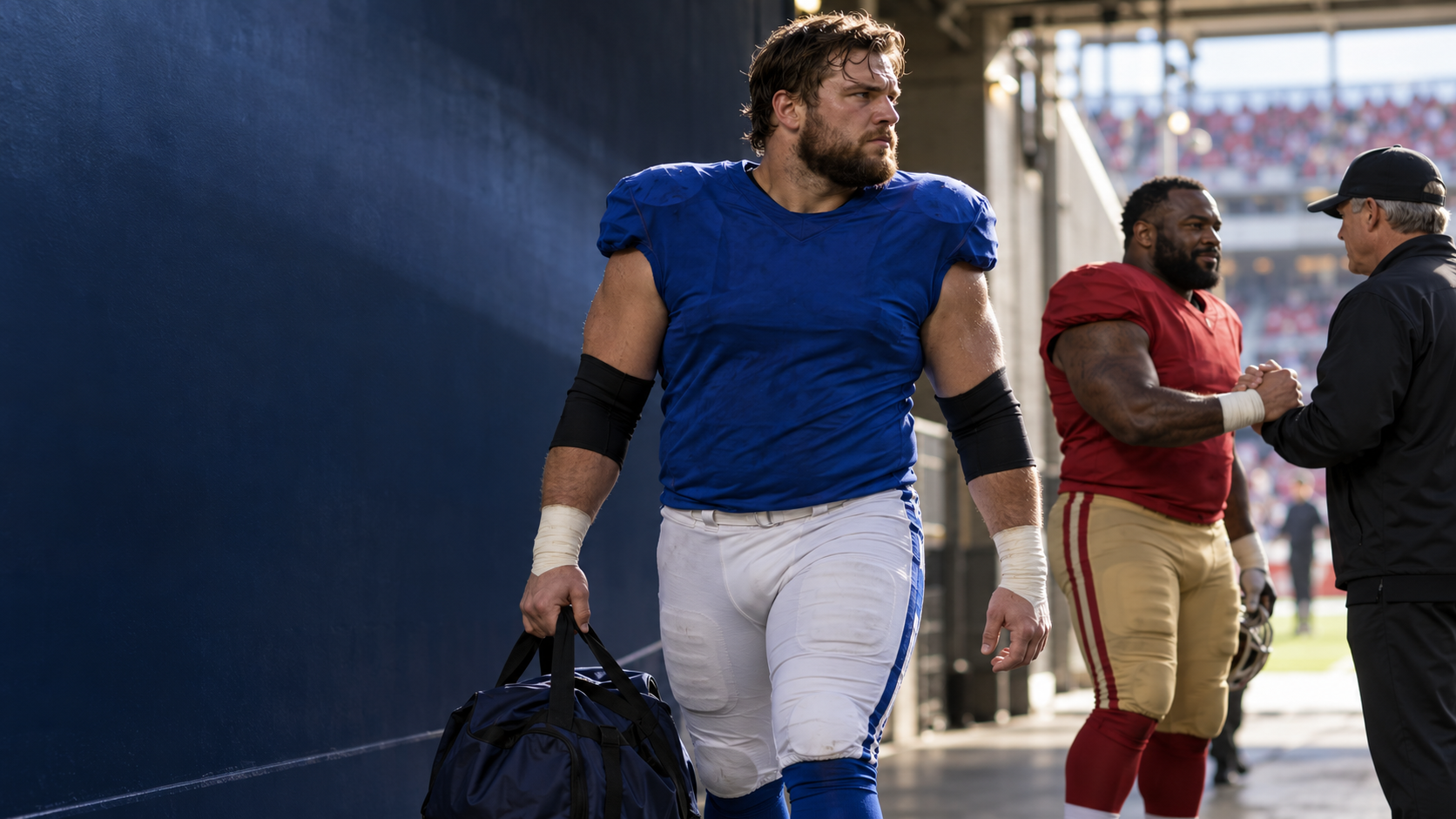 Colts Reportedly Trade Nelson, Buckner: What It Means
-
 Valkyries Game 6 Tipoff Change Disrupts Viewing Plans