4 Practical Ways to Support Healthier Knees
4 Practical Ways to Support Healthier Knees
Knee health depends on more than avoiding exercise. The knees work with the muscles, hips, ankles, and feet during walking, standing, climbing stairs, and getting out of a chair. Supporting these systems can improve mobility and make daily activities easier.
Four practical strategies can help:
- Strengthen the muscles that support the knees.
- Choose joint-friendly movement instead of complete inactivity.
- Manage body weight and unnecessary daily joint load.
- Improve recovery, including strategies for nighttime knee pain.
Knee pain can result from osteoarthritis, injury, inflammation, muscle weakness, overuse, or pain referred from another area. Adapt each suggestion to your abilities. Persistent, severe, or unusual symptoms require professional assessment.
1. Strengthen the Muscles That Support Your Knees
The quadriceps help straighten the knee and control movement when sitting down or walking downstairs. The hamstrings help bend and stabilize the leg. The glutes support hip movement and alignment, while the calf muscles contribute to walking, balance, and ankle control.
Stronger surrounding muscles may distribute forces more effectively during everyday movement and improve confidence and function. Strength training cannot repair every knee problem or replace treatment for a serious injury or medical condition.
Beginner-Friendly Exercises
Sit-to-Stand
Use a sturdy, non-rolling chair. Sit near the front edge with your feet beneath your knees. Lean forward slightly, stand with control, and lower yourself slowly. Keep your knees aligned with your feet. Use your hands or a nearby support if needed.
Straight-Leg Raise
Lie on your back with one knee bent and the other leg straight. Tighten the thigh of the straight leg, lift it slowly a short distance, pause, and lower it with control. The exercise can also be performed seated by extending and slightly lifting one leg.
Supported Mini-Squat
Hold a countertop or sturdy chair. Keep your chest lifted, bend your knees slightly, and lower your hips only as far as comfortable. Return to standing without bouncing. A shallow squat may be more suitable than a deep squat for beginners.
Step-Up
Use a low, stable step and hold a secure support. Place one foot on the step, rise slowly, and bring up the other foot if comfortable. Step down with control. Use a lower step or stop if the movement causes pain, wobbling, or a feeling that the knee may give way.
Calf Raise
Stand behind a chair or near a countertop. Hold the support, rise onto the balls of your feet, and lower your heels slowly. Keep your body upright and avoid rocking forward.
Hamstring or Calf Stretch
After warming up, perform a gentle hamstring or calf stretch. Avoid bouncing or forcing the range of motion. Hold the stretch while breathing normally. Flexibility work complements strength training but does not replace it.
Start with one set of 8–10 repetitions or a short time period. Train two or three days per week, allowing recovery between sessions. Increase repetitions, resistance, or duration gradually, changing one factor at a time.
Mild muscle fatigue may be acceptable. Sharp pain, increasing swelling, instability, or significant pain that continues after exercise is not. A physical therapist can adapt exercises for arthritis, previous surgery, weakness, or balance concerns.
2. Choose Low-Impact Movement Instead of Complete Inactivity
Long periods of inactivity can increase stiffness, reduce muscle strength, and make movement more difficult. Regular, manageable activity supports joint mobility, circulation, cardiovascular fitness, and confidence.
Low impact does not mean effortless. It means reducing pounding, jumping, and sudden loading while still challenging the muscles and heart.
Knee-Friendly Activities
- Walking: Begin with short walks on even surfaces. If one long walk causes discomfort, divide it into several shorter walks.
- Cycling: Stationary or outdoor cycling provides cardiovascular exercise with less impact than running. Adjust the seat so the knee remains slightly bent at the bottom of the pedal stroke. Start with low resistance.
- Swimming and water exercise: Water walking, swimming, and water aerobics reduce the load on weight-bearing joints and may make movement easier.
- Tai chi and balance training: Slow, controlled movements can support balance, coordination, and confidence. Practice near a wall or chair if balance is uncertain.
Warm up for five to ten minutes with gentle walking or range-of-motion movements. Choose an intensity that allows conversation. Reduce the intensity if pain persists or worsens after exercise, and avoid sudden increases in hills, speed, distance, resistance, or training frequency.
Pain that remains substantially worse for more than 24 hours suggests that the activity or volume exceeded your current tolerance. Reduce the workload and consider professional guidance.
3. Reduce Excess Load While Protecting Daily Function
The knees absorb force during standing, walking, stair climbing, and bending. For people carrying excess weight, gradual weight loss may reduce mechanical demand on the joints and make movement easier.
Weight is not the only cause of knee pain. Genetics, injuries, joint structure, inflammation, muscle strength, occupation, and activity patterns also matter. Weight-related discussions should focus on health, mobility, energy, and function rather than appearance or blame.
Support a Healthy Weight
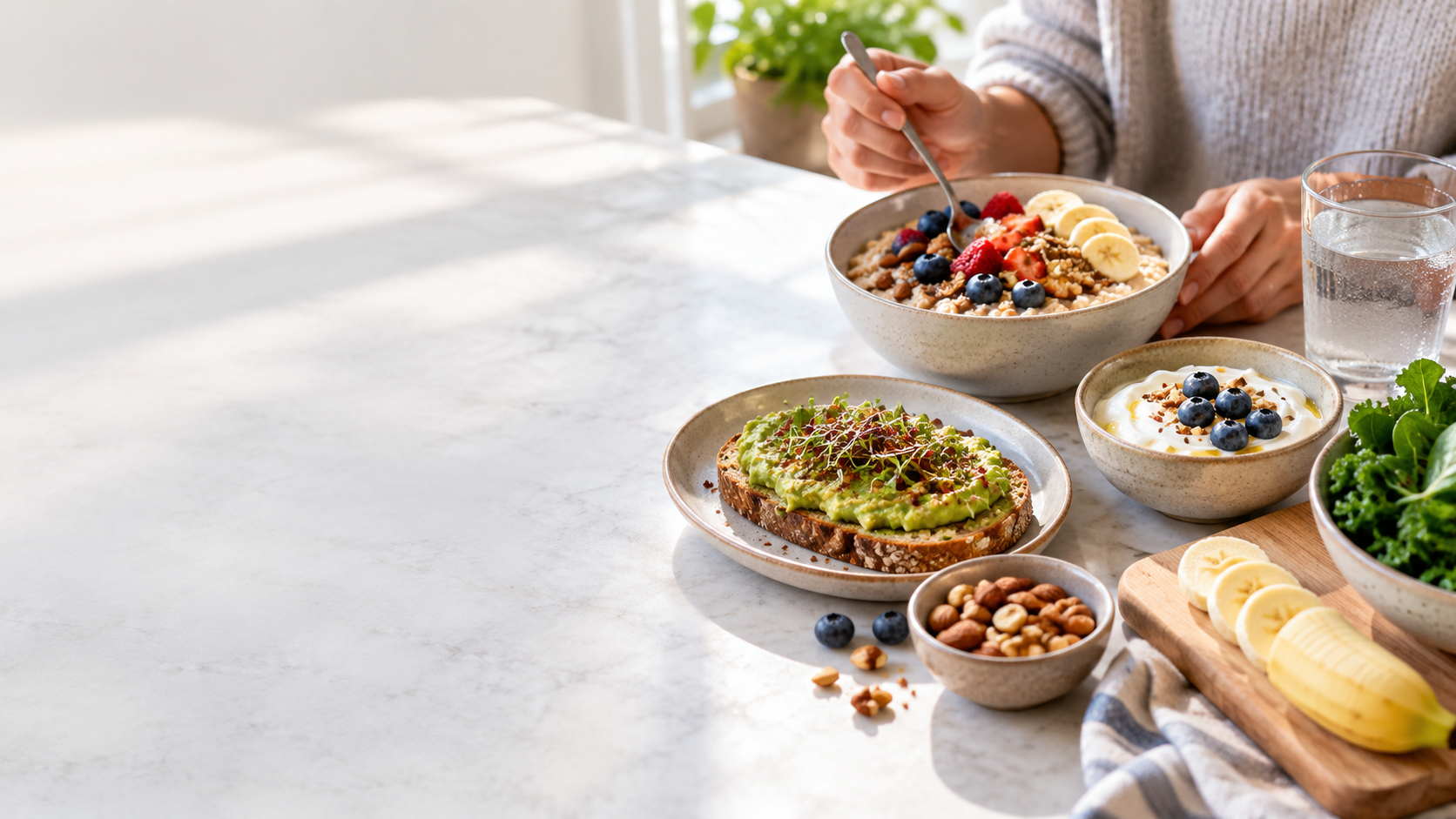
Build meals around vegetables, fruit, beans, whole grains, lean proteins, nuts, seeds, and unsaturated fats. Adequate protein supports muscle maintenance alongside strength training.
Limit highly processed foods and sugary drinks without treating foods as forbidden. Replace one regular high-calorie item with a more nutrient-dense option, use suitable portions, eat slowly, and notice hunger and fullness cues.
Nutrition changes and physical activity often work better together than either strategy alone. People with diabetes, kidney disease, eating disorders, or complex medical needs should seek professional nutrition advice before making major dietary changes.
Reduce Unnecessary Knee Strain
- Use handrails on stairs.
- Avoid carrying heavy loads up steps when possible.
- Alternate sitting and standing instead of staying in one position for long periods.
- Wear supportive footwear during prolonged walking or standing.
- Adjust workstations and car seats to avoid prolonged knee bending.
- Break household tasks into shorter periods.
- Avoid repeated deep squatting when another position will work.
- Use a cart, basket, or lighter load when carrying items.
Braces, canes, and walkers may help some people, but improper fit can create new problems. A clinician or physical therapist should help select and adjust them.
4. Improve Recovery and Manage Knee Pain at Night
Knee pain can make it difficult to fall asleep, remain asleep, or find a comfortable position. Poor sleep may increase fatigue, pain sensitivity, irritability, and reluctance to exercise.
Persistent nighttime pain should not be dismissed. It may reflect osteoarthritis, inflammation, injury, nerve-related pain, or another condition requiring assessment.
Strategies to Try Before Bed
- Use gentle movement: A short, easy walk or gentle range-of-motion routine may reduce stiffness. Avoid vigorous exercise immediately before sleep if it increases symptoms.
- Try heat or cold: Heat may help stiffness or muscle tension. Cold may help after activity when swelling or irritation is present. Use a cloth barrier and follow product instructions. Do not sleep with an ice pack or heating pad unless a clinician specifically advises it.
- Adjust sleeping positions: If you sleep on your side, place a pillow between your knees. If you sleep on your back, place a pillow under your knees. Avoid prolonged, extreme bending.
- Review pain-relief options safely: Ask a clinician or pharmacist about over-the-counter pain relievers, especially if you take blood thinners or have kidney, liver, stomach, or heart conditions. Follow label instructions and avoid combining products with the same active ingredient.
Maintain a consistent sleep schedule and keep the bedroom cool, dark, and quiet. Limit alcohol and caffeine close to bedtime. A symptom diary may identify patterns involving activity, weather, medication, or sleeping position.
Arrange an evaluation for pain that is severe, persistent, worsening, or repeatedly waking you. Contact a clinician for significant swelling, redness, warmth, fever, locking, giving way, or inability to bear weight. Seek urgent care after a major injury, visible deformity, or sudden loss of movement.
A Simple Weekly Knee-Health Plan
- Monday: Short walk and strength exercises.
- Tuesday: Gentle cycling, swimming, or mobility work.
- Wednesday: Rest from structured exercise, with brief movement breaks.
- Thursday: Strength exercises and gentle stretching.
- Friday: Low-impact aerobic activity.
- Saturday: Optional walk, water exercise, or balance practice.
- Sunday: Recovery, symptom review, and planning.
Start below maximum effort. Change only one factor at a time, such as duration, distance, resistance, or frequency. Record pain during the activity and the following day. Reduce the volume if symptoms remain worse for more than 24 hours.
Common Mistakes That Can Worsen Knee Symptoms
Doing Too Much Too Soon
Sudden increases in exercise volume can overload muscles and joints. Progress gradually, even when an activity initially feels easy.
Avoiding All Movement
Complete inactivity may increase stiffness and weakness. Use short, gentle activity periods when a full workout is not tolerable.
Ignoring Technique
Poor alignment, unstable footwear, and uncontrolled movements can increase discomfort. Use support, control each movement, and prioritize balance over speed.
Treating Severe Symptoms at Home Indefinitely
Home strategies may help mild symptoms but cannot identify every underlying condition. Persistent, unusual, or worsening symptoms require evaluation.
FAQ
Can exercise make knee pain worse?
Yes. Pain may worsen when activity is too intense, technique is poor, or training increases too quickly. Stop and reassess if you experience sharp pain, swelling, instability, or worsening symptoms.
What is the best exercise for healthier knees?
No single exercise suits everyone. Walking, cycling, water exercise, strength training, and balance work can all be useful depending on symptoms, fitness, and medical history. Start with a manageable activity and progress gradually.
Should I exercise if my knees are stiff?
Gentle movement may reduce stiffness for some people. Begin with a warm-up and a short session. Do not exercise through severe pain, marked swelling, locking, or a knee that gives way.
Can losing weight improve knee pain?
For people carrying excess weight, gradual weight loss may reduce mechanical stress on the knees and improve movement. It is one part of overall care alongside strength, mobility, sleep, and medical treatment when needed.
What can I do if knee pain keeps me awake?
Try a comfortable sleeping position, gentle movement, and appropriately used heat or cold. Review pain-relief options with a clinician or pharmacist. Arrange an evaluation if pain is persistent, severe, worsening, or associated with swelling, redness, fever, or instability.
When should I see a doctor about knee pain?
Seek care for pain after a significant injury, inability to bear weight, major swelling, deformity, fever, redness, locking, or repeated giving way. Make an appointment for pain that persists, limits daily activities, or disrupts sleep.
Conclusion: Build Knee Health One Habit at a Time
Healthier knees usually result from consistent habits rather than quick fixes:
- Strengthen the muscles around the knees.
- Choose regular, low-impact movement.
- Reduce unnecessary joint load while protecting daily function.
- Prioritize recovery and manage nighttime pain safely.
Choose one manageable strategy this week. Monitor how your knee responds during activity and the following day. Reduce the workload if symptoms worsen, and seek professional advice when pain persists, disrupts sleep, or raises concern.